 English
Views: 0 Author: Site Editor Publish Time: 2026-01-16 Origin: Site
In modern farming, the combine harvester is one of the most essential and expensive pieces of machinery used for harvesting crops. This multi-functional vehicle combines the processes of reaping, threshing, and winnowing into one operation, making it indispensable for large-scale farming operations. Given the significant investment involved in purchasing a combine harvester, understanding its lifespan and the factors that affect its longevity is crucial for farm owners and operators.
The lifespan of a combine harvester varies depending on several factors, including the brand, model, maintenance practices, and operating conditions. On average, combine harvesters can last between 5,000 to 10,000 engine hours before significant repairs or replacement might be necessary. However, with proper care and maintenance, many machines can last beyond this range, providing farm operators with reliable service for many years. In this article, we’ll explore the factors that influence the lifespan of a combine harvester, the importance of regular maintenance, and how farm owners can extend the life of their machinery to get the most out of their investment.
The brand and model of a combine harvester are critical factors in determining its overall durability and lifespan. High-quality brands with a proven reputation for engineering excellence are more likely to offer machines that last longer with fewer maintenance issues. These brands tend to use reliable, high-grade materials and parts designed to endure the harsh conditions often encountered in agricultural settings.
Premium manufacturers typically focus on producing combine harvesters that can withstand prolonged operation, whether it’s working long hours under intense conditions or harvesting challenging crops such as dense grain fields or crops with heavy plant material. These machines are often built with durable components such as reinforced engines, efficient drive systems, and high-quality transmissions. This attention to detail and quality control helps ensure that the combine harvester operates smoothly for years, minimizing the likelihood of unexpected breakdowns and costly repairs.
The way a combine harvester is used in the field plays a substantial role in its overall lifespan. Heavy usage, such as working on rough terrain, harvesting tough crops, or operating for extended hours each day, increases the strain on the machine’s various components. The more frequently the harvester is used under demanding conditions, the more likely it is that components will experience faster wear and tear, which can lead to reduced efficiency and the need for repairs.
For instance, when harvesting crops like corn or soybeans, which require significant processing power and speed, the combine harvester's motor and threshing system are put under heavy stress. Operating in rough terrain with uneven ground, rocky fields, or areas with dense plant matter can also lead to higher wear on the tires, wheels, and suspension systems, further shortening the machine’s lifespan.
Additionally, environmental factors play a significant role in the durability of a combine harvester. In areas with extreme temperatures, whether too hot or too cold, the machine may experience more stress on its engine, hydraulic systems, and other key components. High temperatures, such as those encountered in regions with hot summers, can cause the harvester to overheat, especially if the cooling system isn’t functioning optimally. In contrast, low temperatures can cause certain materials to become brittle or stiff, leading to potential failures.
Regular maintenance is the key to extending the lifespan of any piece of agricultural machinery, and combine harvesters are no exception. Proper care involves more than just routine oil changes. It includes checking for wear and tear on components like the cutter bar, grain tank, threshing system, and augers. Additionally, regular cleaning of the harvester to remove dirt, dust, and plant debris is essential in preventing damage to critical parts. Timely repairs and part replacements, such as belts, bearings, and hydraulic systems, can help prevent small issues from becoming larger, more costly problems.
Maintenance Task | Frequency | Impact on Lifespan |
Oil and filter changes | Every 100-150 engine hours | Ensures proper engine lubrication, reducing wear. |
Cutter bar maintenance | At least once per season | Maintains sharpness and efficiency, preventing breakdowns. |
Hydraulic system checks | Every 150-200 engine hours | Ensures smooth operation and prevents leaks. |
Cleaning and inspection | Daily, during and after harvest | Prevents dirt accumulation and wear on parts. |
The engine hours of a combine harvester are one of the most common ways to measure its lifespan. Typically, a well-maintained combine harvester can operate for around 5,000 to 10,000 engine hours before it requires a significant overhaul or parts replacement. However, the specific lifespan will depend on factors like the machine's age, the quality of its components, and how often it undergoes maintenance.
In general:
Low Usage: If the combine harvester is used for a few hours each day or season, it might last toward the higher end of the lifespan range.
High Usage: Combine harvesters that are used extensively in large fields or operate for long hours may experience greater wear and tear, shortening their lifespan.
It’s also worth noting that how the machine is stored—whether it’s kept in a sheltered location when not in use or left outside exposed to the elements—can impact its longevity. Storing the harvester in a dry, clean place can help prevent rust and corrosion, extending its lifespan.
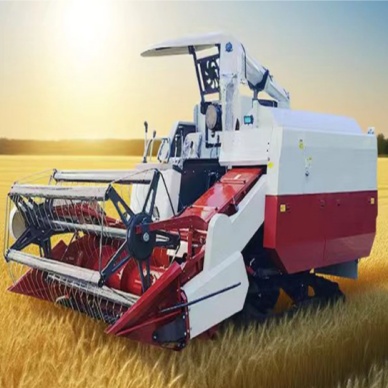
One of the most important aspects of combine harvester maintenance is ensuring that all moving parts are well-lubricated. Regular oil changes, along with checking and replacing lubricants and filters, ensure that the engine and other mechanical components are functioning efficiently. Neglecting oil changes can lead to engine overheating and excessive wear, significantly reducing the lifespan of the machine.
After each use, it’s essential to clean the combine harvester thoroughly, especially around areas prone to dirt accumulation, such as the augers, grain tanks, and intake areas. Built-up debris can cause damage to mechanical parts, hinder performance, and even lead to overheating if left unchecked. By regularly removing plant residue, dust, and dirt, you can keep the harvester running smoothly and help maintain its components.
Routine inspections help identify potential issues before they turn into major problems. Having a professional technician inspect the combine harvester at least once or twice a year can help catch early signs of wear, such as damaged belts, loose fittings, or faulty electrical systems. Timely repairs will ensure the machine runs optimally and prevent costly downtime.
When the harvesting season is over, proper storage is crucial. If the combine harvester is not stored correctly, it may suffer from rust, corrosion, or damage from extreme weather. Storing the machine in a dry, sheltered area can prevent these issues and extend its usable life.
Recent advancements in combine harvester technology have made it easier to extend the lifespan of these machines. Modern harvesters are equipped with advanced diagnostic systems that alert operators to potential problems before they become serious. These systems can monitor the machine’s performance in real-time and provide maintenance reminders, making it easier for operators to keep track of necessary tasks.
In addition, improvements in engine design, fuel efficiency, and durability have enhanced the overall performance and lifespan of newer models. As technology continues to evolve, future combine harvesters are likely to be even more efficient and long-lasting, further reducing the cost of ownership for farmers.
The lifespan of a combine harvester depends on several key factors, including the quality of the unit, usage patterns, operating conditions, and the regularity of maintenance. By investing in a high-quality machine, performing regular maintenance, and operating the harvester within its recommended limits, you can significantly extend its service life, providing you with years of reliable performance.
At www.shunyumachinery.com, we understand the importance of maintaining your equipment and maximizing its lifespan. Our combine harvesters are designed to provide excellent performance and durability, and we offer expert support to ensure that your equipment remains in top condition for years. If you’re looking to enhance the longevity of your machinery, our team can guide you through the best practices for maintenance and care. Contact us today for expert advice and high-quality machinery solutions.
What is the typical lifespan of a combine harvester?
The typical lifespan of a combine harvester is between 5,000 and 10,000 engine hours, depending on usage, maintenance, and quality.
How can I extend the lifespan of my combine harvester?
Regular maintenance, timely repairs, and proper storage practices can significantly extend the life of your combine harvester.
How often should I change the oil in my combine harvester?
Oil changes should be done according to the manufacturer’s recommendations, typically every 100-150 engine hours or at least once per season.
What factors affect the lifespan of a combine harvester?
Factors such as operating conditions, frequency of use, and the quality of the machine all influence the lifespan of a combine harvester.


