 English
Views: 0 Author: Site Editor Publish Time: 2026-01-13 Origin: Site
A combine harvester is one of the most important and versatile machines in modern agriculture. It is used to efficiently harvest crops such as wheat, corn, soybeans, rice, and barley. The main function of a combine harvester is to perform the combined tasks of reaping, threshing, and winnowing, all in one operation. These tasks, which once required multiple machines or manual labor, are now handled by a single piece of machinery, making harvesting much more efficient.
The invention of the combine harvester revolutionized farming by significantly increasing productivity and reducing the need for labor. The modern version of the machine comes equipped with various features and attachments designed to make the harvesting process faster, more efficient, and capable of handling different types of crops. Whether you’re working with small farms or large-scale agricultural operations, a combine harvester is indispensable.
Reaping is the very first step in the harvesting process, where the combine harvester’s header (the front attachment) is used to cut the crops. The header typically consists of a sickle bar or rotary blades that are designed to cut the crop cleanly at ground level. This step is crucial because it determines how well the rest of the harvest process will unfold.
The header is engineered to adjust to the height of the crop, ensuring a clean, uniform cut. This is particularly important for crops like wheat, barley, and oats, where the timing of the cut is critical. Cutting too early or too late can affect the quality and quantity of the yield. For instance, cutting crops like wheat at the wrong stage can result in an unripe harvest that doesn’t yield well. Similarly, cutting too late can result in grain loss, as the seeds may have already fallen to the ground.
The header is also equipped with augers to move the cut crops into the combine’s threshing unit. This mechanism ensures the flow of the harvested material is smooth and efficient, making the harvesting process faster and reducing losses. Reaping is often the most visible part of the harvest, but it sets the stage for the efficiency of all the subsequent steps.
Once the crops are cut, the combine harvester moves on to the threshing process, which is essential for separating the edible grain from the non-edible parts of the plant, such as the stems, chaff, and leaves. During threshing, the harvested material is passed through a series of rotating cylinders or drums inside the combine. These cylinders are designed to gently agitate the material, breaking it apart and separating the grain from the stalks.
The threshing process involves mechanical action, where the harvested plants are tumbled and rubbed against a series of concave plates. This action causes the grains to be dislodged from the plant. The grain, being heavier, falls through the plates and is collected at the bottom of the threshing chamber. The chaff and other plant debris are directed to a separate section of the machine for disposal.
The threshing unit is one of the most critical parts of the combine harvester. If not properly adjusted or maintained, it can result in poor separation, causing grain loss or contamination with unwanted plant material. Therefore, it's crucial to fine-tune the threshing system based on the crop type and harvesting conditions.
After threshing, the combine harvester uses a winnowing mechanism to clean the grains. Winnowing involves separating the grains from the lighter chaff or straw using air or sieves. The grain is heavy and falls to the bottom of the machine, while the lighter material is blown away, leaving clean grain ready for collection.
Once the grain is separated, it is collected in a grain tank, which is usually located at the rear of the combine harvester. This tank stores the grain temporarily until it is ready to be unloaded into a waiting truck or storage bin. The combine harvester has a discharge auger, a rotating screw that allows the grain to be unloaded directly into a truck or storage area, streamlining the entire process.
The primary advantage of a combine harvester is its efficiency. The machine can perform all harvesting tasks—cutting, threshing, and winnowing—simultaneously, reducing the time and labor needed to harvest crops. This significantly increases the speed of the harvesting process, which is especially important during harvest season when timing is critical.
Before the invention of the combine harvester, farmers relied on manual labor to harvest crops, which was time-consuming and costly. Today, a single operator can manage a combine harvester and harvest a large field in a fraction of the time it would take to do the same task manually or with multiple machines. This reduces the overall labor costs for farmers.
With its ability to efficiently separate grains from the plant, a combine harvester ensures that very little grain is wasted during the harvesting process. The precision and speed of the machine help maximize the crop yield, allowing farmers to make the most of their land and investment.
Modern combine harvesters are highly versatile and can be adjusted or equipped with different attachments to harvest a variety of crops, including grains like wheat, rice, and corn, as well as oilseeds and even some types of beans. This makes the combine harvester an invaluable tool for farmers who grow multiple types of crops.
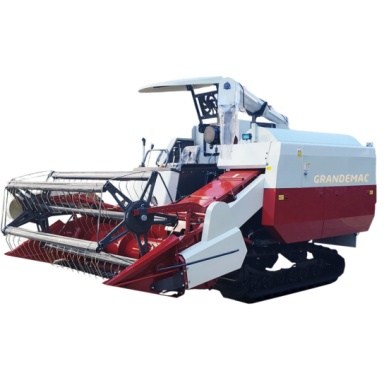
To better understand how a combine harvester works, let's take a closer look at its key components:
Component | Function |
Header | Cuts the crops at the base, allowing the machine to collect them efficiently. |
Threshing Unit | Separates the grain from the stalks, often using rotating cylinders or drums. |
Sieves | Filter out unwanted debris and smaller particles, leaving only clean grain. |
Grain Tank | Stores the harvested grain temporarily before being unloaded. |
Unloading Auger | Transfers the grain from the grain tank to a waiting truck or storage area. |
When selecting a combine harvester, there are several factors to consider to ensure that you get the right machine for your needs. These factors include the size of your farm, the type of crops you grow, and the harvesting conditions.
For large-scale commercial farms, a larger combine harvester with a wide header and high-capacity grain tank is essential to maximize productivity. For smaller farms, a compact model may be more appropriate, offering sufficient power for smaller harvests without being too costly or cumbersome.
Different crops require different harvesting techniques. If you grow a variety of crops, you may need a combine harvester that can easily switch between attachments for different types of grain, oilseeds, or beans.
The terrain and field conditions can also impact your choice of combine harvester. Some machines are designed to handle wet or uneven fields, while others are better suited to dry, flat terrain. It’s important to consider these factors when selecting a machine to ensure maximum efficiency and comfort during the harvest.
Choosing the right combine harvester can make a significant difference in the efficiency, cost, and overall success of your harvest. A properly chosen machine will reduce downtime, minimize losses, and ensure that the harvest is completed on time.
At www.shunyumachinery.com, we understand the importance of selecting the right equipment for your farming needs. Whether you are looking for a combine harvester that is designed for large-scale operations or a smaller machine for more specialized needs, our experts are here to help. We offer a wide range of combine harvesters and other agricultural machinery that are built to last, with a focus on performance, reliability, and ease of use.
Feel free to contact us to learn more about how we can support your farming operations with the best machinery available. We are here to help you find the right combine harvester that suits your farm’s needs.
1. What is a combine harvester used for?
A combine harvester is used to harvest crops by performing the tasks of cutting, threshing, and winnowing all in one machine. It is efficient for harvesting grains like wheat, corn, and barley.
2. How does a combine harvester help improve productivity?
By combining multiple tasks in one machine, a combine harvester reduces labor time and increases speed, allowing farmers to harvest large fields efficiently and maximize yield.
3. Can a combine harvester be used for different types of crops?
Yes, modern combine harvesters can be equipped with different attachments to handle a variety of crops, including grains, oilseeds, and beans.
4. How do I choose the right combine harvester?
When choosing a combine harvester, consider the size of your farm, the crops you grow, and the terrain of your fields to ensure you select the right machine for your needs.


