 English
Views: 0 Author: Site Editor Publish Time: 2026-01-19 Origin: Site
The evolution of farming technology has dramatically transformed the way crops are harvested. One of the most significant advancements in modern agriculture is the combine harvester. These machines have revolutionized the harvesting process, making it more efficient, faster, and cost-effective. The traditional methods of harvesting, which required a large workforce, have now been largely replaced by combine harvesters, allowing farmers to reduce labor costs and improve productivity. In this article, we will explore how a combine harvester increases efficiency, reduces labor in harvesting, and contributes to the overall growth of the agricultural industry.
The combine harvester is a versatile and powerful machine designed to combine several harvesting processes, including cutting, threshing, separating, and cleaning, into one seamless operation. This efficiency has made the combine harvester an indispensable tool for modern farmers across the world. Whether for grain, corn, wheat, or rice, these machines are designed to handle a wide variety of crops, making them an essential asset for anyone in the farming business.
A combine harvester is a large, self-propelled agricultural machine used to efficiently harvest a wide variety of grain crops. The machine is designed to cut, thresh, and separate grain from its stalk in a single operation. The term "combine" comes from the fact that it combines three processes: reaping, threshing, and winnowing. The harvester is designed to operate on large fields and can cover vast areas in a short amount of time, significantly improving the efficiency of the harvesting process.
Header: The front part of the machine that cuts and gathers the crop.
Threshing Mechanism: Separates the grain from the plant material.
Separation System: Further separates the grain from other particles.
Cleaning System: Removes remaining chaff and debris from the grain.
Grain Tank: Collects the separated grain before it is offloaded.
One of the most significant ways that a combine harvester increases efficiency is by significantly speeding up the harvesting process. Traditional methods of harvesting, such as manual labor or mowing machines, are time-consuming and require a large workforce. Farmers are often limited by the number of laborers they can hire and the amount of time they have to get the harvest in before weather conditions change or crops begin to spoil.
With a combine harvester, a single machine can replace several workers, completing the job in a fraction of the time. For example, a combine harvester can harvest several acres of grain in just a few hours, whereas traditional methods might take days or even weeks. This time efficiency allows farmers to harvest crops faster and move on to other tasks, such as sowing new seeds or preparing fields for the next growing season.
Benefit | Details |
Time Efficiency | Harvest large fields in a fraction of the time compared to manual labor. |
Increased Coverage | A single machine can cover vast areas, reducing labor needs. |
Faster Turnaround | Faster harvests allow for quicker processing and transportation of crops. |
Labor is one of the most significant costs in traditional farming operations. Hiring seasonal workers for harvest can be expensive, and the efficiency of manual labor is often low. However, with a combine harvester, labor costs are dramatically reduced. Since the combine harvester performs the work of several people, only a few operators are needed to run the machine.
Additionally, the need for additional equipment like rakes, tethers, and threshing tools is eliminated, as the combine harvester integrates all these functions into one unit. By minimizing the need for labor and multiple machines, farmers can achieve cost savings and allocate their resources more effectively.
The efficiency of the combine harvester is not just about speed, but also about how it enhances the overall crop yield. When crops are harvested manually, there is often waste due to damage to the plants, and some grains can be left behind. A combine harvester ensures that nearly all of the grain is harvested, reducing crop loss and increasing yield. Furthermore, the cleaner separation of grains from the plant material improves the overall quality of the harvested product, ensuring that it is of the highest standard for sale or storage.
Modern combine harvesters come equipped with advanced technologies that improve their efficiency even further. These machines often have GPS systems, auto-steering, and yield monitors, which allow farmers to operate the machine with greater precision. For example, GPS systems help guide the machine through the field, ensuring uniform coverage and reducing the risk of missed areas. Yield monitors track the amount of grain being harvested in real-time, helping farmers make data-driven decisions about crop management, storage, and future planting.
This technology enables farmers to gather valuable insights into their crops’ health, improving their ability to manage resources and make better decisions for the next growing season.
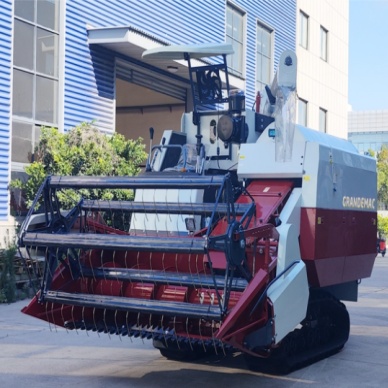
Traditionally, harvesting was a labor-intensive process, requiring a team of workers to perform different tasks. The arrival of the combine harvester has eliminated the need for a large workforce. A single operator is now capable of managing the entire harvesting operation, from cutting the crop to separating the grain.
This shift to single-operator machines means that farmers can reduce their labor costs and avoid the logistical challenges of hiring, training, and coordinating a workforce. The overall need for seasonal labor is minimized, making it easier for farmers to manage their operations year-round, even during peak harvest seasons.
Before the introduction of combine harvesters, the harvest process required different machines or manual labor for each step: one for cutting, another for threshing, and another for separating the grain. Combine harvesters have streamlined this process by combining multiple functions into one machine. The machine performs all of these tasks automatically, reducing the need for additional workers and machinery.
The automation of these tasks makes it possible to harvest crops quickly and efficiently, freeing up workers to focus on other tasks. It also reduces the risk of human error, ensuring a higher level of consistency and quality in the harvest.
Combine harvesters are highly versatile machines. They are capable of harvesting a wide variety of crops, including wheat, corn, barley, soybeans, rice, and more. Modern combines can even handle crops with different growth patterns, ensuring that they are adaptable to various types of farming operations.
With fewer machines and workers needed, combine harvesters reduce fuel consumption and emissions compared to traditional harvesting methods. This leads to a smaller carbon footprint, making them a more environmentally friendly option for farmers looking to adopt sustainable farming practices.
By reducing labor costs, improving yield quality, and speeding up the harvesting process, combine harvesters directly contribute to increased profitability for farmers. With less wasted product and improved efficiency, farmers can maximize their output and better meet market demand, leading to greater financial success.
The introduction of the combine harvester has drastically transformed the way crops are harvested. With the ability to complete multiple tasks quickly and efficiently, combine harvesters not only increase operational efficiency but also reduce labor costs. The versatility, speed, and automation offered by combine harvesters help farmers to enhance crop yield, improve product quality, and reduce waste, all while ensuring a more profitable and sustainable farming operation.
At www.shunyumachinery.com, we specialize in providing high-performance combine harvesters that are built to meet the demands of modern agriculture. Our machines are designed to maximize efficiency, reduce operational costs, and deliver optimal results for farmers worldwide. If you’re looking for a reliable and durable combine harvester to boost your farming operations, we invite you to contact us today to learn more about our products and how they can benefit your business.
A combine harvester is an agricultural machine that combines three tasks—reaping, threshing, and winnowing—into a single operation, allowing farmers to harvest crops more efficiently and effectively.
A combine harvester increases efficiency by speeding up the harvesting process, reducing the need for manual labor, and automating multiple tasks, all while providing a cleaner, higher-quality crop yield.
Yes, combine harvesters are versatile and can be adapted to harvest a variety of crops, including wheat, corn, soybeans, rice, and more.
The key benefits of using a combine harvester include reduced labor costs, improved crop yield, increased efficiency, and better-quality produce, leading to higher profitability for farmers.


