 English
Views: 0 Author: Site Editor Publish Time: 2026-08-19 Origin: Site
Transitioning from traditional boom sprayers or crop dusters to agricultural sprayer drones is no longer an experimental luxury. It represents a measurable operational upgrade for modern agricultural businesses. Farm operators face compounding pressures daily across their fields. Escalating chemical costs continuously squeeze tight profit margins. Chronic labor shortages make timely manual application increasingly difficult to manage. Strict environmental run-off regulations demand absolute precision. Meanwhile, heavy machinery causes yield-killing soil compaction during wet seasons.
While the baseline advantages of aerial application are well-documented, selecting the right platform requires cutting through thick marketing hype. This comprehensive guide breaks down the essential technical capabilities you need. We explore the actual integration realities for modern farm setups. You will learn exactly how to successfully deploy and scale drone-based spraying operations effectively.
Evaluation Baseline: Payload capacity must be balanced against battery cycle degradation and actual field turnaround times, not just theoretical maximums.
Tech Stack Integration: A true smart agriculture drone functions as an IoT device, requiring seamless data handoffs to existing Farm Management Information Systems (FMIS).
Compliance is Critical: Procurement timelines must account for regulatory certifications (e.g., FAA Part 137), pilot licensing, and specialized aviation insurance.
Deployment Reality: Sustainable ROI relies on rigorous Standard Operating Procedures (SOPs), fluid system maintenance, and localized vendor support networks.
Modern farms must optimize every drop of input. A precision farming UAV dramatically reduces overall chemical and water usage. Verifiable field data consistently shows significant reductions in spray volumes. You no longer need to rely entirely on blanket broadcast spraying. Operators can seamlessly transition to variable-rate, spot-specific application. This targeted approach directs costly chemicals exactly where crops need them most. It minimizes wasteful runoff and protects surrounding ecosystems.
Soil compaction remains a hidden yield killer. Heavy tractor passes crush root zones. They destroy soil structure. Framing the elimination of these tractor passes reveals a direct yield-protection mechanism. Drones fly silently above the canopy. They introduce zero ground pressure. This advantage becomes critical during wet conditions. Tractors often sink or cause severe ruts in muddy fields. Drones ensure timely applications regardless of soil moisture levels.
Labor utilization transforms completely under this model. Contrast the countless hours required for manual application against autonomous flight patterns. Tractor-based spraying ties up valuable operators for days. Autonomous systems execute precise grid patterns rapidly. However, operators must factor in battery-swap downtime. Maintaining realistic expectations requires mapping out continuous charging cycles. Efficient ground crews swap batteries and refill tanks in minutes. This fluid rhythm maximizes actual flight time over the field.
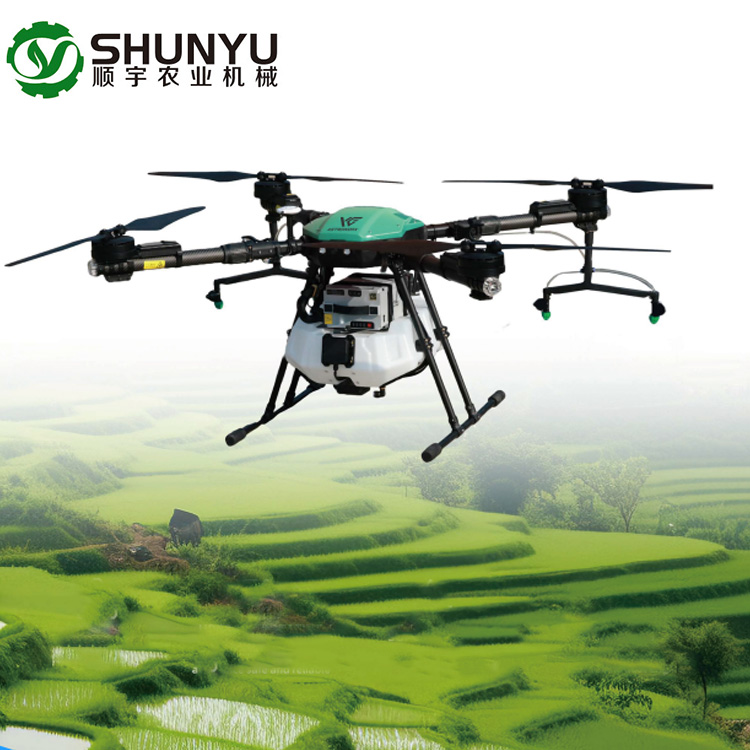
Evaluating hardware requires looking past basic payload numbers. Farm operators often misjudge the trade-off between tank size and battery life. A massive 40L tank seems impressive on paper. Yet, carrying heavy liquid rapidly drains battery reserves. Smaller 10L or 20L systems often achieve faster turnaround times. They spend less energy fighting gravity. You must also address the hidden costs of battery degradation. Rapid charging cycles generate immense heat. Effective thermal management systems are mandatory. Poor cooling destroys battery cells prematurely.
Hardware integration relies heavily on pump and fluid dynamics. Pump reliability dictates your entire operational schedule. Harsh agricultural chemicals aggressively corrode internal components. You need systems featuring robust corrosion resistance. Nozzle configuration directly dictates spray efficacy. Standard pressure nozzles work well for thin liquids. Centrifugal nozzles utilize spinning discs. They break up thick suspensions seamlessly. Centrifugal setups eliminate frustrating clogging issues and ensure consistent droplet sizing.
Navigational accuracy separates toys from professional tools. A true GPS spraying drone must utilize Real-Time Kinematic (RTK) positioning. Standard GPS drifts by several meters. RTK achieves absolute centimeter-level accuracy. This precision completely avoids chemical overlap. It prevents accidental gaps in field coverage. Furthermore, RTK allows the drone to safely navigate complex topographies. It maps terrain elevation adjustments instantly.
An isolated drone provides limited value. Uninterrupted telemetry and IoT connectivity are essential. Operators need constant data transmission between the drone, the controller, and cloud platforms. Rural areas frequently suffer from low cellular bandwidth. A reliable smart agriculture drone must handle connectivity drops gracefully. Local network setups and offline mapping capabilities become vital. They ensure the mission continues safely without a live internet connection.
Farm Management Information Systems (FMIS) compatibility drives agronomic decision-making. Proprietary drone software must ingest standard prescription maps effortlessly. Agronomists typically generate these maps as shapefiles. The drone uses these shapefiles to execute variable-rate applications automatically. Following the flight, the software must export as-applied data. This verifiable data is crucial for strict compliance reporting. It proves exactly what chemicals were applied and where.
Obstacle avoidance technology protects your investment. Early drone models relied on basic sensors. Today, active phased array radars offer immense maturity. They detect thin power lines and bare branches in real time. Binocular vision systems provide stereoscopic depth perception. Together, these technologies enable safe, autonomous terrain following. The drone automatically climbs over sudden hills and dips into valleys. It maintains a perfect, constant spray height above the fluctuating crop canopy.
Deploying aerial systems requires strict regulatory adherence. Aviation authority compliance is never optional. In the United States, operators must navigate specific legal frameworks. You need an FAA Part 107 certificate for commercial drone operation. Dispensing agricultural chemicals requires an additional Part 137 exemption. The application process demands detailed operational manuals. It requires proving safety and chemical containment proficiency. You must outline these mandatory frameworks before purchasing hardware.
Operating heavy machinery above crops introduces unique liabilities. Specialized aviation insurance serves as a strict prerequisite. Standard farm policies rarely cover autonomous aerial application. You need comprehensive hull insurance to protect the equipment itself. Specialized liability coverage protects against chemical drift damages. Underwriters require rigorous documentation. They will demand pristine maintenance logs. They expect verifiable proof of certified pilot training.
Chemical handling safety extends far beyond the flight itself. You must address compliance aspects at the launch zone. Storing, mixing, and loading hazardous materials require strict protocols. Operators work in close proximity to spinning propellers. Proper Personal Protective Equipment (PPE) is mandatory during the mixing phase. Spill containment kits must be readily available at the launch site. Ground crews must understand emergency shutdown procedures intimately.
Sustainable operations rely on institutionalized Standard Operating Procedures (SOPs). You cannot manage a crop management UAV using guesswork. Emphasize the absolute necessity of strict checklists. These checklists prevent catastrophic system failures mid-flight.
Structural Inspections: Check every propeller for micro-cracks before launch. Verify motor mount stability.
Pump Priming: Ensure the fluid delivery lines contain no trapped air. Trapped air causes uneven spray patterns.
Post-Application Purging: Flush the entire system using clean water. Lingering chemicals crystalize and destroy pump seals overnight.
Enterprise farms face unique swarm and fleet scalability challenges. Operating multiple drones via a single control station requires intense logistical planning. You must optimize the chemical mixing station. A bottleneck at the mixing tank grounds the entire fleet. Furthermore, continuous charging demands immense generator capacity. Small portable generators cannot handle the massive draw of rapid battery chargers. You need industrial-grade power solutions in the field.
Preventative maintenance keeps the fleet airborne. Reactive repairs cause missed application windows. You need a transparent look at ongoing service requirements. We strongly recommend adhering to strict replacement intervals.
Component | Inspection Frequency | Action Required |
|---|---|---|
Propellers | Daily (Pre-flight) | Replace immediately upon finding chips or stress fractures. |
Spray Nozzles | After every tank | Clean using a soft brush. Clear any debris blockages. |
Pump Seals | Every 50 flight hours | Inspect for weeping fluid. Replace seals to maintain pressure. |
Batteries | Weekly | Check connection pins for carbon buildup. Balance cells using smart chargers. |
Procuring agricultural drones involves mapping out the full investment ecosystem. The drone itself represents just one part of the necessary infrastructure. Operators must account for numerous critical components. Spare batteries usually represent the highest recurring cost. You need multiple heavy-duty charging stations to maintain continuous operations. Precision navigation requires purchasing or subscribing to RTK base stations. Advanced mission planning often involves annual software subscriptions. You must evaluate this holistic infrastructure requirement before making a commitment.
Buying based on local dealer proximity is critical. Relying on remote suppliers severely jeopardizes your harvest schedule. When a motor fails during peak spraying season, you cannot wait weeks for overseas shipping. Localized support ensures you get replacement parts within hours. A dedicated regional dealer provides immediate troubleshooting. They offer loaner equipment during major repairs. Prioritizing parts availability often matters far more than saving initial money on hardware purchases.
Determine clear criteria for your next steps. Never purchase a commercial system without requesting an on-farm demo. You need to see the drone handle your specific topography. Ask the vendor for verifiable case studies. Ensure these studies reflect operations in similar crops and climates. Carefully review warranty terms for battery life cycles. Understand exactly how many charge cycles the manufacturer guarantees before performance drops.
Acquiring agricultural sprayer drones constitutes a serious infrastructure investment. It demands tight alignment between hardware capabilities, software integration, and strict regulatory adherence. These systems fundamentally change how you approach crop protection and resource management. They offer unparalleled precision while completely eliminating harmful soil compaction.
Operators must avoid chasing raw payload numbers blindly. A massive tank means nothing without considering the broader operational ecosystem. You must account for battery logistics, mixing station efficiency, and reliable dealer support. True success relies on building a fluid, repeatable workflow in the field.
We encourage readers to audit their current chemical application costs today. Consult your local aviation regulations to understand regional compliance requirements. Reach out to a certified local dealer and request a comprehensive operational assessment. Taking these measured steps ensures a highly profitable transition to autonomous aerial application.
A: Commercial drone batteries typically last between 300 to 500 charge cycles before significant degradation occurs. Rapid charging generates high heat, which limits lifespan. Operators must factor routine battery replacement into their annual operational budgets, as degraded cells drastically reduce field flight times.
A: Yes. Operators overcome poor cellular reception by deploying local RTK base stations directly at the field edge. These stations communicate with the drone via direct radio frequencies. Furthermore, using offline mapping software allows you to plan and execute precise missions without an active internet connection.
A: In the United States, acquiring the necessary FAA Part 107 license takes just a few weeks of study and testing. However, securing the mandatory Part 137 agricultural exemption frequently takes three to six months. Operators must plan procurement timelines well ahead of the spraying season.
A: Drones handle most standard agricultural liquids, but high-viscosity suspensions pose challenges for traditional pressure nozzles. Upgrading to centrifugal nozzles prevents frustrating clogs when dispensing thick formulas. Additionally, many modern drones accept interchangeable granular spreader tanks for broadcasting dry fertilizers or cover crop seeds.


