 English
Views: 0 Author: Site Editor Publish Time: 2026-05-24 Origin: Site
Popular media often romanticizes small-scale agriculture. They paint an idyllic picture of simple rural living. We know the stark reality is far harsher. Running a plot means managing a high-stress, low-margin commercial operation. You constantly battle critical labor shortages. Gritting your teeth through exhausting manual labor is simply not sustainable. Today, downsized mechanization stands as a strict survival imperative. It is not just a seasonal convenience. You need reliable tools to stay profitable. A compact machine bridges the gap efficiently. It stands between extreme physical exhaustion and a scalable business. Our objective is clear and actionable. We provide a pragmatic, financially sound framework for selecting machinery. You will learn to evaluate options based on maintenance realities and operational constraints. You will make smart investments. Your farm deserves operational independence.
Labor Efficiency: Transitioning from manual or outsourced harvesting to a compact combine harvester can stabilize unpredictable seasonal costs.
Maintenance Over Brand: The viability of a small combine harvester relies heavily on the local availability of harvester parts and the simplicity of its mechanical design.
Ecosystem Integration: Modern compact equipment yields the highest ROI when integrated with complementary systems like a rice transplanter or agriculture drone.
Strategic Sizing: Purchasing decisions must align with soil compaction limits, acreage, and the operator's mechanical proficiency.
Many people assume small acreage requires less effort. They think manual labor remains manageable on a few acres. This misconception destroys many operations. Transitioning farmers often face grueling 80-hour workweeks. Burnout happens rapidly during the harvest season. This physical toll exposes the profound financial fragility of part-time growers. You cannot outwork an inefficient system. Relying solely on human endurance guarantees eventual operational failure.
Relying on mobile outsource services brings immense risk. Custom harvesting contractors prefer massive commercial plots. They naturally deprioritize smaller fields. You will face severe scheduling conflicts. They also charge high minimum-acreage fees. A sudden rainstorm can ruin your crop while you wait. Delaying your harvest causes devastating shatter loss. Weather delays erode your seasonal profit margin completely. You surrender control of your most critical timeline.
Traditional full-sized combines offer no real solution. They cause severe soil compaction on smaller plots. Their enormous footprint ruins tight field layouts. They also require exorbitant capital expenditure. You need agile, purpose-built machinery. A compact design navigates narrow rows easily. It respects your soil while delivering industrial-grade efficiency. Downsized equipment empowers you to work smarter.
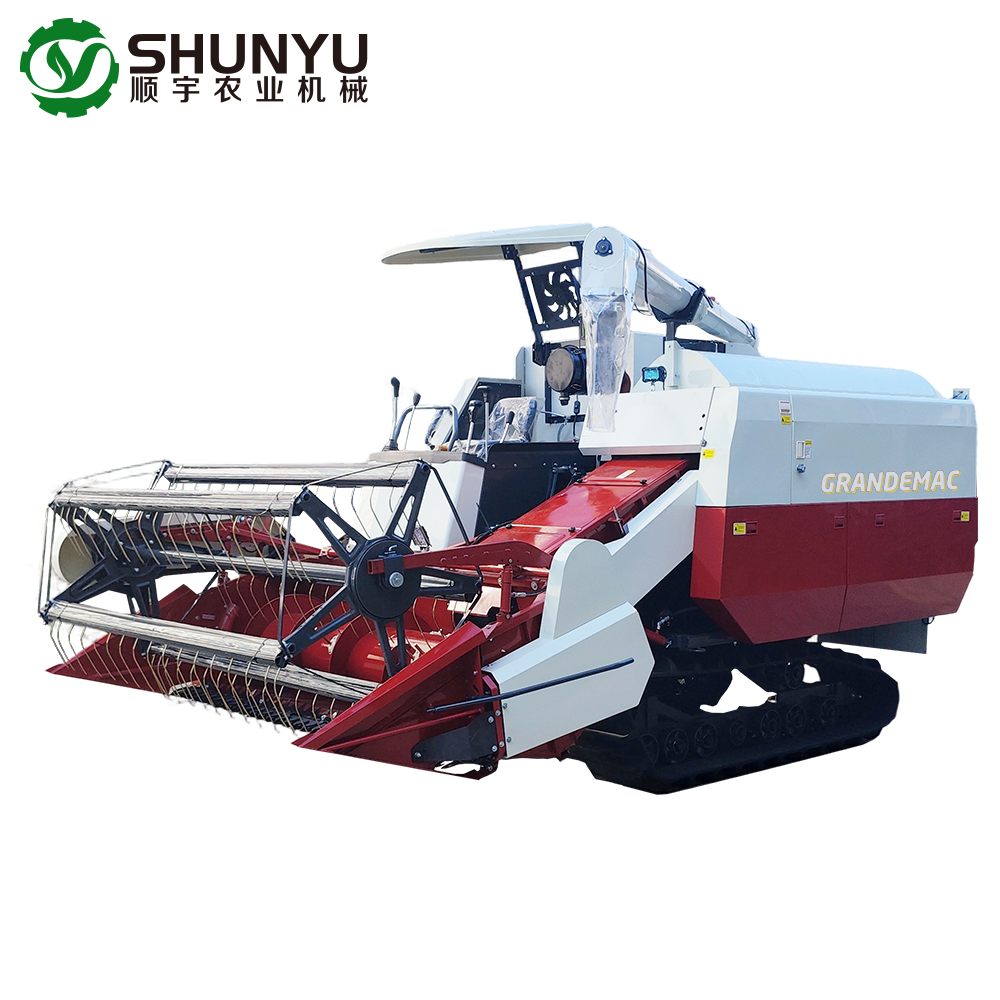
Evaluating your upfront cost against multi-year savings is critical. Purchasing a small combine harvester requires initial capital. However, you stop paying expensive custom harvesting fees immediately. The machine generates returns over several seasons. You keep more revenue inside your own business. Long-term profitability heavily favors equipment ownership over endless rental fees. You build true equity through mechanization.
Secondary market value represents another crucial factor. High-quality compact implements hold their resale value exceptionally well. You mitigate your initial capital risks substantially. Quality machines depreciate slowly compared to cheap imports. If your operation expands later, you can sell the equipment easily. A strong secondary market protects your initial investment.
Yield preservation acts as your greatest financial advantage. Managing your own harvest guarantees timely execution. You reduce mechanical grain damage significantly. You also eliminate crop loss from sudden weather events. Harvesting your grain at optimal moisture levels secures higher market prices. Third-party contractors rarely arrive perfectly on time for your specific plot. Self-reliance maximizes your final yield.
Guiding your purchase requires a strict look at technical specifications. Daily operations depend entirely on these functional details. Do not ignore the mechanical realities of the machine.
The farming community continuously debates transmission types. Each option offers distinct operational advantages. Hydrostatic transmissions provide precise, seamless speed control. They reduce operator fatigue during long harvest days. You navigate complex terrain smoothly. However, they introduce complex hydraulic systems. Hydraulic repairs often require expensive specialized technicians.
Traditional gear-driven models offer superior DIY-friendliness. They boast exceptional durability in rugged conditions. When a gear system breaks, local mechanics repair it cheaply. You avoid the expensive downtime associated with hydraulic failures. Carefully weigh seamless control against long-term repair costs. Simplicity often wins out in rural settings.
Equipment size dictates a delicate operational balance. A wider header certainly reduces your total field passes. Yet, a wider header significantly increases overall machine weight. Heavy machinery harms your field long-term. Standard commercial tractors crush delicate root structures effortlessly.
Lightweight footprints protect your valuable land. Machines in the 250–350kg class prevent deep soil compaction. Preserving soil health ensures better subsequent planting cycles. Healthy soil directly improves your next crop yield. Do not sacrifice soil structure for a slightly faster harvest. Ground pressure matters immensely.
Your machine only creates value when it runs. Peak season downtime destroys your profit margins completely. Complex proprietary engineering creates unnecessary service bottlenecks. You must demand straightforward mechanical layouts.
Prioritize models offering standardized, easily accessible harvester parts. You need immediate access to replacement belts, bearings, and rotary blades. If you cannot find components locally, you will lose your crop waiting for shipping. Uptime defines the success of your entire season.
Your purchasing decision must reflect your specific operational goals. We classify growers into distinct categories based on their business structures. Strategic alignment guarantees better resource allocation.
Farm Category | Operational Focus | Ideal Equipment Strategy |
|---|---|---|
Commercial Small Farmer | High yield, mixed crops | High horsepower, quick-attach headers |
Part-Time / Transitioning | Time efficiency, low maintenance | Entry-level gear drive, compact storage |
Cooperative Network | Shared capital, large combined area | Mid-tier commercial, extreme durability |
For the commercial small farmer, versatility remains paramount. We recommend higher-horsepower compact models. Look for machines featuring quick-attach headers. You can quickly switch from cutting wheat to harvesting soybeans. This adaptability maximizes your seasonal revenue across diverse crop portfolios.
The transitioning or part-time farmer faces tight time bandwidth. We suggest highly reliable, lower-maintenance entry-level models. Emphasize ease of storage and immediate field readiness. You cannot spend hours tinkering before starting your weekend harvest. You need a turnkey solution.
Consider community-shared or cooperative ownership models. Multiple farms can pool their resources together easily. You can purchase a slightly larger model through a multi-farm cooperative. This strategy distributes capital risk efficiently across several stakeholders. Shared utilization lowers individual financial burdens.
Smart mechanization extends far beyond the harvest. Modern equipment yields the highest returns when perfectly integrated. Connecting your tools multiplies your overall operational efficiency.
Chart: The Integrated Compact Farm Ecosystem | ||
Ecosystem Stage | Technology Deployed | Compounding Benefit |
|---|---|---|
Pre-Harvest Phase | Precision Seeder / Transplanter | Uniform rows maximize harvest speeds |
Crop Management | Aerial Drones | Targeted spraying prevents yield loss |
Harvesting Phase | Compact Combine Machine | Rapid gathering secures final profits |
Investing in a compact machine justifies modernizing your planting phase. A precision rice transplanter acts as the logical precursor. It ensures perfectly uniform rows. Straight, uniform rows dramatically increase your cutting efficiency later. You avoid missed stalks and reduce operator stress entirely.
Crop management also benefits from integrated technology. Pair your ground-based machinery with an agile agriculture drone. Drones handle field mapping and precise yield estimation quickly. They execute spot-spraying to eliminate localized pest threats. They prepare the field for a seamless harvest.
This compounding return on investment changes everything. Right-sized technology transforms a struggling plot entirely. Connected tools eliminate overlapping labor costs. A drone, a transplanter, and a reliable compact combine harvester work together seamlessly. They build a highly profitable micro-enterprise.
Mechanization introduces specific implementation risks. Avoiding common pitfalls saves thousands of dollars. You must evaluate secondary markets carefully before buying anything.
Beware the orphaned machine trap. Many buyers purchase cheap, unbranded imports to save money. Manufacturers often discontinue these obsolete models abruptly. They stop producing replacement components entirely. You are left holding a worthless, unrepairable machine. Stick to proven brands.
Used equipment demands rigorous skeptical inspection. Use this strict buyer's checklist:
Inspect internal wear points thoroughly for severe metal thinning.
Check for obvious belt degradation and cracked rubber seals.
Look closely for hidden metal fatigue under safety shields.
Test all hydraulic lines for slow fluid leaks.
Verify the structural integrity of the main grain bin.
Best Practices: Establish formal operational procedures. Document your daily maintenance routine clearly.
Common Mistakes: Ignoring strange engine noises during operation. Failing to clean out residual grain before winter storage.
These are highly dangerous industrial machines. Compact dimensions do not reduce their hazard level. Operator training remains absolutely critical. You must implement strict safety rules. Highlight the strict necessity of formal protocols even on family-run plots.
Securing your future requires strategic capital investment. Hard work alone rarely guarantees long-term survival. We must embrace intelligent, right-sized machinery.
A reliable family farm harvester delivers complete timing control.
It protects your seasonal profit margins effectively.
It grants you true operational independence from expensive contractors.
It preserves your physical health by eliminating brutal manual labor.
Assess your current harvesting losses immediately. Evaluate your tractor horsepower and available storage capacity today. Request a field demonstration and verify local component availability from a reputable dealer. Take absolute control of your harvest this season.
A: The acreage threshold varies based on your specific crop value. Generally, operations spanning 10 to 50 acres see rapid returns. At this scale, the long-term profitability of ownership quickly beats expensive custom harvesting fees. High-value crops accelerate this financial payback even faster. You stop bleeding money to outsource services.
A: They can be if you choose obscure imports. You must buy established brands utilizing standardized industrial components. Securing common belts, bearings, and blades locally prevents disastrous downtime. Always verify regional supply chain reliability before finalizing any equipment purchase. Local dealer support is your ultimate safety net.
A: Yes, many modern units are highly versatile. Mixed-crop operations absolutely require models featuring adjustable concaves and interchangeable headers. You can successfully switch between wheat, rice, and soybeans. This adaptability ensures your machine remains productive across multiple distinct harvesting seasons. It maximizes your overall investment.
A: It drastically reduces harmful ground pressure. Traditional heavy equipment causes severe deep-layer soil compaction. A smaller footprint and significantly lighter gross weight mitigate this damage. Preserving your soil's porous structure ensures better water retention. It guarantees much healthier subsequent planting cycles. Your land stays productive longer.


