 English
Views: 0 Author: Site Editor Publish Time: 2026-06-12 Origin: Site
Upgrading your farm equipment for harvest season presents a significant financial challenge. Buying brand-new, dedicated equipment drains budgets quickly. Farm operators and agribusiness procurement managers often face a tough choice. You must bridge the operational gap between using an existing multi-crop machine and funding a brand-specific unit. Purchasing a dedicated attachment demands heavy capital expenditure. We provide an objective, technical evaluation framework to help you navigate this choice. You will learn how to select a reliable adapter for your specific field conditions. Our guide focuses on cross-brand compatibility, engineering integrity, and verifiable return on investment. You will discover practical ways to evaluate structural limits and drive line requirements. Following these guidelines ensures you confidently prepare your fleet for a successful harvest.
Cost Efficiency: A well-matched conversion kit reduces capital expenditure by adapting existing headers, but requires strict validation of OEM cross-references and structural limits.
Compatibility is Critical: Successful integration depends on precise alignment of the feeder house faceplate, PTO drive lines, and hydraulic/electrical sensor connections.
Implementation Realities: Expect a required calibration period; DIY installation is feasible for experienced mechanics, but dealer-supported installation mitigates warranty and sensor integration risks.
Yield Retention: High-quality adapters maintain proper operating angles, minimizing ear bounce and kernel loss during high-speed harvesting.
Managing modern agricultural operations demands strict financial discipline. You must constantly balance equipment performance against budget constraints. Comparing the upfront cost of a new OEM maize header against an aftermarket adapter reveals stark differences. A harvester conversion kit dramatically reduces your initial capital expenditure. It transforms existing equipment rather than forcing expensive new purchases. This approach shifts heavy capital spending into manageable operational expenses.
Multi-brand fleets benefit greatly from fleet standardization. Conversion adapters allow you to use a standardized set of headers across various machines. You no longer need separate proprietary headers for every combine color in your shed. This strategy significantly reduces redundant inventory. It also minimizes ongoing maintenance overhead. Your mechanics only need to stock parts for one header type.
Time-to-field represents another crucial profitability factor. Ordering new equipment often involves months of waiting. Supply chain delays can easily push deliveries past the optimal harvest window. Late harvesting leads directly to moisture issues and crop degradation. Retrofitting existing attachments provides a much faster solution. You secure your equipment readiness well before the crops dry down.
You must calculate clear ROI milestones to justify this upgrade. Analyze the break-even point based on your total acreage. Factor in expected yield retention and equipment costs saved. An efficient adapter pays for itself rapidly. Proper adapters reduce grain loss, adding directly to your bottom line. You will often see a full return on investment within the first two seasons.
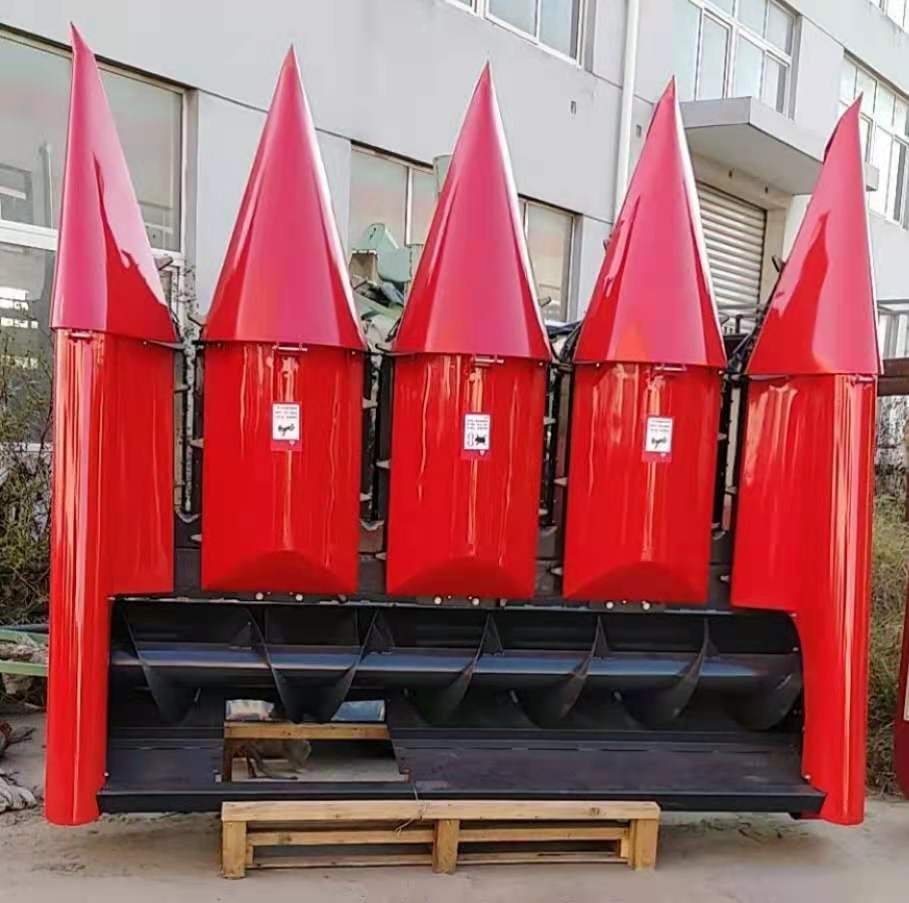
Assessing structural integrity and weight distribution is vital for safe operation. You must evaluate the absolute load-bearing capacity of the combine feeder house. Lift cylinders must safely support the adapter weight plus a fully loaded corn attachment. Adding too much front-end weight risks severe structural damage. It also necessitates additional rear ballast. You must maintain proper steering axle traction.
Drive line alignment requires strict attention during the evaluation phase. Power take-off (PTO) shafts must maintain correct operating angles. Universal joints require proper phasing to prevent vibration. The system must also deliver precise operating RPMs. Improper alignment causes premature bearing wear rapidly. It can even lead to catastrophic driveline failure during peak harvest hours.
Hydraulic and electrical integration connects the mechanical system to the digital cab. Map out the exact requirements for automatic header height control (AHHC). Ensure proper deck plate adjustments function smoothly from the cab monitor. Verify complete OEM sensor compatibility before starting any installation. Mismatched potentiometers will disable your automated systems immediately.
OEM cross-reference validation prevents costly field modifications. You must match exact combine models and header serial numbers. Compare them directly to the adapter manufacturer's Bill of Materials (BOM). Never guess on compatibility.
OEM Equipment vs. Conversion Adapter Evaluation Chart | ||
Evaluation Metric | OEM Dedicated Header | Conversion Kit Adapter |
|---|---|---|
Initial Capital Expense | Extremely High | Low to Moderate |
Feeder House Fit | Direct Factory Match | Requires Faceplate Alignment |
Sensor Integration | Plug-and-Play | Requires Wiring Harness Adapters |
Drive Line Phasing | Factory Calibrated | Requires Manual Verification |
Precision engineering directly drives your financial outcomes. Operating angle optimization serves as a primary example of this principle. Precision-engineered faceplates maintain the correct pitch mechanically. They align gathering chains and snapping rolls perfectly. This precise angle directly reduces header loss during high-speed operation. Minimized ear bounce keeps more kernels out of the field. Every saved kernel improves your seasonal profitability.
Quick-coupling mechanisms translate into measurable time savings. Single-point hookups streamline the attachment process significantly. Rapid-latch systems save crucial hours during stressful equipment changeovers. Multi-crop operations depend heavily on these swift transitions. Efficient field changes keep your maize header moving through the crop.
Evaluate material specifications carefully before purchasing. High-tensile steel construction resists long-term operational fatigue. Protective powder coatings prevent severe corrosion from plant acids. High-quality materials extend component replacement cycles considerably.
High-Tensile Faceplates: Prevent flexing under heavy crop loads.
Hardened Drive Splines: Ensure consistent power transfer without stripping.
Weather-Sealed Harnesses: Protect delicate electronics from dust and moisture.
Greaseable Bearings: Allow regular maintenance for extended lifespan.
Installing adapters involves specific, unavoidable field realities. Operators frequently report common installation bottlenecks. You might encounter misaligned mounting pins on older machines. Hydraulic hose routing often presents tight spatial challenges. Aftermarket sensor faults sometimes trigger annoying diagnostic errors in the cab. Planning for these hurdles reduces installation frustration.
You must decide between DIY and professional retrofitting. Assess your internal shop capabilities honestly and thoroughly. Do you have heavy-duty hoists, professional welding gear, and diagnostic tools? Outsourcing to specialized agricultural mechanics often saves valuable time. It guarantees correct integration for your corn header combine harvester system. Professional installation provides peace of mind before heading into the field.
Following a strict calibration protocol is entirely mandatory. You must field-test the setup before attempting full-scale harvesting. Check the hydraulic deck plate spacing meticulously. Verify the PTO shaft RPM while under a working load. Run the machine empty first, then test it slowly on a few rows. Calibrate the header height sensors according to the monitor prompts.
Consider all warranty implications carefully before beginning work. Third-party conversion systems can impact existing equipment warranties. They might affect the combine harvester warranty itself. They can also void the original header warranty if modified improperly. Consult your local dealer to clarify these exact liability risks.
Choosing the right adapter requires a systematic, documented approach. Follow these proven steps to secure the best equipment match. Bypassing these steps leads to poor fitment and wasted money.
Audit Existing Equipment: Document the exact make, model, year, and serial numbers. You need this specific data for both the combine and the intended header.
Request a Detailed Spec Sheet: Demand a specific BOM and clear weight ratings. Insist on a guaranteed OEM compatibility list for your intended grain header accessory.
Evaluate Support and Parts Availability: Ensure the manufacturer maintains an accessible, domestic supply chain. You will eventually need proprietary replacement parts. Custom drive shafts and specialized bearings must be readily available during harvest.
Perform Vendor Vetting: Prioritize manufacturers providing clear engineering documentation. They should offer transparent compatibility matrices online. Direct technical phone support remains essential for long-term operational success.
Applying this checklist ensures you avoid incompatible purchases. It aligns your operational needs with the correct engineering specifications. Documenting your exact serial numbers remains the most critical action. Manufacturers rely on these numbers to identify minute mid-year production changes. A single mismatched pin size can stall your entire harvest operation.
A harvester conversion kit provides a financially sound strategy for your farm. It maximizes your current asset utilization effectively. You must base this purchasing decision on exact engineering compatibility. Never choose an adapter based purely on the lowest price tag. Always verify the structural limits and drive line specifications first.
Take decisive action today to prepare for the upcoming harvest. Compile your equipment serial numbers immediately. Consult an agricultural technical specialist to review your fleet data. They will help verify adapter availability for your specific combine model. Securing the right conversion setup guarantees a safe, efficient, and highly profitable harvest.
A: No. While many cross-brand configurations exist, compatibility depends strictly on feeder house dimensions, weight limits, and drive line configurations. Always consult the manufacturer's cross-reference matrix.
A: They can, if electrical harnesses and sensor calibrations are not perfectly matched. Premium kits include or specify the exact wiring adapters needed to maintain AHHC functionality.
A: Weights vary by design and brand, typically ranging from 200 to 600 lbs. Operators must factor this into the combine's total lift capacity and rear ballast requirements.
A: With proper maintenance (greasing drivelines, checking torque specs), a heavy-duty adapter should outlast the header itself, often performing reliably for 10+ seasons.


