 English
Views: 0 Author: Site Editor Publish Time: 2026-06-16 Origin: Site
Crop application windows close incredibly fast. Pests multiply overnight, and sudden weather shifts threaten entire growing seasons. You simply cannot afford delays when your yields are on the line.
Searching for "agricultural drone spraying near me" is common today, but hiring the right crew takes genuine effort. A quick internet search is never enough. You must vet local operators for strict aviation credentials and highly specialized chemical handling licenses.
This guide offers a clear, practical framework for evaluating local applicators. We will explore exactly how to shortlist true professionals. You will learn to secure proper aerial coverage without exposing your farm to legal or financial liability.
Compliance is Non-Negotiable: Legal operators must hold FAA Part 107, FAA Part 137, and state-specific commercial pesticide applicator licenses.
Cost vs. Value: While per-acre costs may mirror or slightly exceed traditional aerial application, savings are realized through zero crop trampling, reduced chemical usage, and access to wet or steep fields.
Vetting Saves Yield: The best local services provide pre-flight mapping, precise application data, and proof of chemical drift insurance.
Evaluate your field layout before booking a UAV spraying service. Drones excel where traditional crop dusters struggle. Think about irregular field borders or sharp elevation changes. Planes cannot safely navigate tight corners near powerlines. Drones maneuver easily around these obstacles. They also offer unmatched precision near residential neighborhoods where drift control is paramount.
Wet fields create massive headaches for ground rigs. Heavy tractors sink deep into muddy soil. This causes severe compaction beneath the surface. You also lose measurable yield to tire trampling. Drones eliminate soil compaction entirely. You get timely chemical applications even immediately following heavy rainfall.
You should also weigh targeted treatments against broadcast spraying. Spot-spraying saves expensive chemicals. Drones easily handle low-volume applications like specific desiccants, herbicides, or precise fungicide treatments. Precision always beats sheer volume when you are targeting isolated pest outbreaks.
Still, we must acknowledge realistic limitations. Drones do not replace airplanes everywhere. Traditional aircraft still dominate massive, flat fields. If you manage an uninterrupted 1,000-acre block, airplanes remain much faster. High-gallon-per-acre jobs also favor traditional aviation payloads over modern drone tanks.
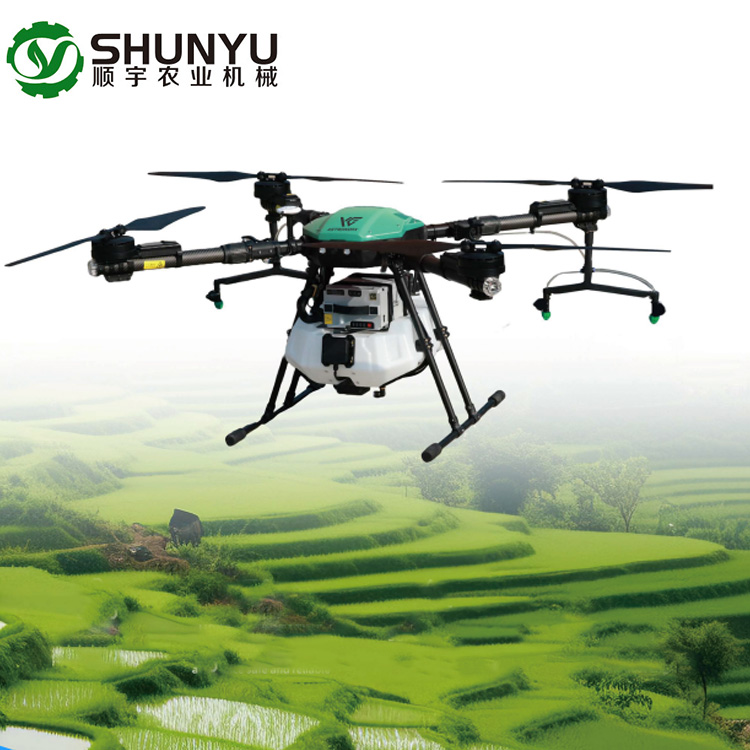
You must verify pilot credentials before signing any contracts. Not every drone owner is legally permitted to spray crops. Operating an agricultural drone sprayer requires rigorous federal certification. True professionals will happily provide their documentation upfront.
FAA Part 107 Remote Pilot Certificate: The baseline commercial license required for any commercial drone operation.
FAA Part 137 Agricultural Aircraft Operations Certificate: The specific federal mandate authorizing aerial chemical dispensing.
Section 44807 Exemption: Necessary legal clearance for operating heavy unmanned aircraft exceeding 55 pounds.
Federal certificates only cover airspace rules. Operators must also hold state-level commercial pesticide licenses. Your state Department of Agriculture issues these specific permits. They prove the applicator understands local chemical handling laws and environmental restrictions.
Never assume a pilot carries adequate insurance. Demand physical proof of active policies. They need robust general liability coverage. More importantly, they must carry specific chemical drift insurance. This protects your farm if sudden wind carries herbicides onto a neighbor's sensitive crops.
Finally, evaluate their equipment and maintenance standards. A well-maintained fleet guarantees a smoother operation. Use this brief checklist:
Check for modern RTK-guided navigation systems to ensure sub-inch precision.
Ask to see recent flow-rate calibration records.
Verify they bring backup batteries and fast chargers to the field.
Ensure they use high-capacity mixing tanks for rapid reloading and minimal downtime.
Pricing for drone crop spraying varies based on your region. Most local services quote jobs on a strict per-acre basis. This exactly matches traditional custom application pricing. Occasionally, operators charge hourly rates for unique surveys. You might also see per-tank pricing for highly specialized spot-spraying tasks.
Several key variables directly impact your final quote. First, the required application rate matters most. High gallons-per-acre (GPA) labels require more frequent tank refills. This naturally slows down the daily acreage rate. Field complexity also changes the price. Fields full of trees or steep ravines demand careful manual navigation. Finally, travel distance heavily influences the final bid.
You should evaluate quotes using a comprehensive return on investment calculation. Do not just look at the base per-acre fee. Drones deliver highly targeted chemical efficacy. They hit weeds or pests exactly where needed. Furthermore, you save massive amounts of crop yield. Ground rigs routinely crush three to five percent of mature plants. Aerial applications keep your standing crops completely intact.
Pricing Variable | Impact on Quote | Reasoning |
|---|---|---|
High GPA Requirement | Increases Cost | Requires more frequent landings, refills, and battery swaps. |
Complex Field Shape | Increases Cost | Slower flight speeds and more manual pilot oversight needed. |
Close to Operator Base | Decreases Cost | Minimal travel time and substantially lower fuel expenses. |
Finding a legitimate crop dusting drone operator requires looking in the right places. Start your search using national and state association databases. The National Agricultural Aviation Association (NAAA) maintains excellent records. Many state-level ag aviation boards also list certified drone pilots. These official directories filter out unlicensed hobbyists immediately.
Major drone manufacturers also offer fantastic resources. Many distributors publish public applicator maps online. These dealer directories show certified buyers offering custom applications nearby. You can quickly locate trained professionals operating the newest, safest equipment platforms.
Do not ignore your existing agricultural networks. Local co-ops and agronomists frequently maintain strong industry ties. Many agricultural retailers partner directly with vetted local drone operators. Some even white-label these aerial services under their own trusted brand. Asking your current chemical supplier often yields the safest, most reliable recommendations.
A professional drone operation runs like a well-oiled machine. The workflow begins long before propellers start spinning.
The pilot always conducts an initial site visit. They map out precise RTK boundaries around your field. They meticulously identify hidden obstacles like fences, trees, or guy wires. This step establishes a safe, automated flight plan for the actual spraying phase.
Safe handling remains the operator's strict responsibility. They set up secure mixing stations at the edge of your field. They load the drone safely and manage the necessary water sourcing. The pilot must wear proper personal protective equipment during this entire phase.
Operators must strictly adhere to current weather conditions. They constantly monitor wind speeds and watch for dangerous temperature inversions. If weather conditions shift unfavorably, the pilot must halt operations. This vigilance effectively mitigates any risk of off-target drift.
Expect a comprehensive data hand-off once spraying concludes. Professionals provide detailed digital as-applied maps. These documents prove full field coverage and verify exact pass overlaps. They also legally confirm the precise application rates used across every single acre.
Finding reliable local spraying professionals demands a careful balance. You certainly want quick availability, but you must demand strict regulatory compliance. Never sacrifice legal requirements just to get a job done faster.
Remember, the cheapest per-acre bid often hides severe operational risks. An operator lacking Part 137 certification or proper drift insurance presents a massive liability. A single chemical drift incident could cost you thousands in crop damages and legal fees.
Protect your farm and your yields. Use the vetting checklist provided above when contacting your first local operator. Consult verified industry directories to build a solid, reliable shortlist today.
A: A standard 30-liter to 40-liter drone typically covers 100 to 200 acres per day. Your actual daily total depends heavily on the required gallons per acre (GPA). Logistical factors like battery charging speed and field-side water access also greatly impact overall daily productivity.
A: Yes, modern agricultural drones easily handle granular applications. Operators simply swap the liquid tank for a specialized spreader attachment. This makes them highly effective for spreading cover crop seeds or applying granular fertilizers quickly across excessively wet fields.
A: Federal and state laws mandate strict weather limits for aerial chemical applications. If wind speeds exceed label requirements or local regulations, the operator must ground the drone immediately. This legal obligation prevents dangerous chemical drift from harming neighboring crops or residential properties.
A: The service provider supplies the drone, the support equipment, and the certified labor. However, the farmer usually procures the actual agricultural chemicals. You or your local agronomist will select and purchase the required products before the drone operator arrives at your field.


