 English
Views: 0 Author: Site Editor Publish Time: 2026-03-23 Origin: Site
The world of agriculture is rapidly evolving with the advent of technology that promises to improve efficiency, reduce costs, and promote sustainability. One of the most impactful innovations in modern farming is precision spraying drones. These drones use advanced atomization technology to deliver pesticides, herbicides, and fertilizers with exceptional accuracy. The result? A 35% reduction in chemical usage—a significant step towards sustainable farming and environmentally friendly practices. In this article, we’ll explore how precision spraying drones work, how advanced atomization is changing the industry, and the environmental and economic benefits of using these drones.
Precision spraying is an agricultural technique that uses technology to apply chemicals to crops in a highly targeted and controlled manner. This method contrasts with traditional spraying, which often results in wasteful overspray and uneven distribution. Precision spraying ensures that the chemicals are applied precisely where needed, reducing the amount of product required and minimizing environmental damage.
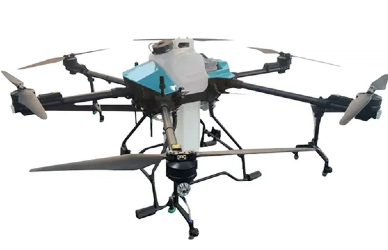
Agriculture drones have become the cornerstone of precision spraying. These drones are equipped with GPS, sensors, and atomizing technology to ensure that the chemicals are distributed accurately, even in large, sprawling fields. By leveraging drone technology, farmers can achieve uniform coverage across crops, maximizing the effectiveness of the chemicals they use while minimizing waste and runoff.
The key components of precision spraying drones include:
GPS and Sensors: Drones use advanced GPS systems to follow predetermined flight paths, ensuring coverage accuracy.
Spraying Nozzles and Atomization Technology: These nozzles atomize the chemicals into fine droplets, ensuring better coverage and less drift.
Cameras and Thermal Sensors: To monitor crop health and detect areas that need spraying, drones are equipped with high-resolution cameras and thermal sensors.
Atomization refers to the process of breaking liquid chemicals into tiny droplets, allowing for more efficient coverage with fewer resources. Drones equipped with advanced atomization technology are able to spray fine droplets of pesticides, herbicides, and fertilizers with precision, ensuring that they reach the crops without overspray or wastage.
Atomization involves creating a mist of very fine droplets, which allows the chemicals to cover a larger surface area without excessive chemical use. This process is crucial because it minimizes the amount of chemicals required for crop protection while improving their effectiveness.
Fine Droplets: Atomizing the chemicals into small droplets increases the contact area on plants, ensuring better absorption.
Reduced Drift: The fine mist reduces the chances of wind carrying the chemicals away from the intended target, reducing waste and environmental harm.
By ensuring that every drop reaches the intended area, advanced atomization maximizes the effectiveness of each chemical application, which leads to significant reductions in the overall amount of chemicals used.
Spraying Method | Chemical Use | Application Accuracy | Environmental Impact | Efficiency |
Traditional Spraying | High | Low | High (due to drift) | Low |
Atomized Precision Spraying | Low | High | Low (minimal drift) | High |
As the table illustrates, traditional spraying techniques result in higher chemical usage, less accuracy, and a greater environmental impact due to overspray. In contrast, atomized spraying significantly reduces chemical usage and environmental harm while enhancing spraying efficiency.
Advanced atomization is having a transformative effect on how farmers approach crop protection. By breaking down the chemicals into much smaller droplets, atomization not only ensures better coverage but also cuts down chemical use by up to 35%. This reduction comes from several key factors:
Atomization allows drones to spray only the targeted areas where chemicals are needed. This precision means that there is less need to spray entire fields or large sections of crops that may not need treatment. The result is significant savings on pesticides and fertilizers, with fewer chemicals used overall.
Traditional spraying methods often lead to overspray and drift, where chemicals are carried away by the wind or miss their intended targets. Atomization creates a fine mist that adheres to the crops and significantly reduces drift. As a result, less chemical waste is generated, leading to lower environmental impact and reduced costs.
Atomized spraying covers a larger surface area with fewer droplets. This efficient application means that farmers need less liquid per acre, reducing both the chemical and operational costs. With the ability to cover a larger area more effectively, precision spraying drones increase productivity and reduce input costs for farmers.
In recent studies, farms that switched from traditional spraying to precision spraying drones with atomization technology reported up to a 35% reduction in pesticide use. This reduction has not only led to lower operational costs but also improved crop yields, as the application of chemicals is more precise, leading to healthier plants.
The use of precision spraying drones equipped with advanced atomization technology offers several key benefits that impact both the economics and environmental sustainability of farming.
By automating the spraying process, drones save farmers a significant amount of time compared to traditional methods. Drones can cover large areas quickly, ensuring that crops receive timely protection from pests, diseases, and weeds. The precision of drones also means that farmers can apply chemicals only when and where they are needed, making spraying operations more efficient.
Using drones for precision spraying drastically reduces the amount of chemicals that end up in the soil and water, reducing pollution. The reduction in overspray and drift means that fewer chemicals contaminate surrounding ecosystems, making farming practices more environmentally friendly.
With more targeted application, crops receive optimal protection from pests and diseases without the risks of overexposure to chemicals. This leads to healthier crops and, ultimately, higher yields. Additionally, by using fewer chemicals, the soil quality improves, further benefiting crop health in the long term.
The 35% reduction in chemical usage leads to substantial savings on inputs like pesticides, fertilizers, and herbicides. Combined with reduced labor costs due to automation, these savings can add up quickly, improving the overall profitability of farming operations.
The future of precision spraying drones looks promising, with continued advancements in technology leading to even greater precision and efficiency. Here are some key developments we can expect as drone capabilities improve in the coming years.
Improved battery life will enable drones to cover larger areas without needing to recharge. Advancements in solid-state or high-energy-density lithium batteries will extend flight times to 2-3 hours, compared to the current 20-30 minutes. This will lead to increased operational efficiency, reducing downtime and enabling drones to spray more fields faster.
Key benefits:
Increased coverage with each flight.
Reduced downtime for recharging.
Higher operational efficiency, especially on large farms.
Future drones will feature advanced sensors like multispectral, thermal, and hyperspectral imaging, enabling more precise crop health monitoring. Integration of AI and machine learning will allow drones to accurately detect areas in need of spraying, optimizing chemical application and further reducing chemical use.
Key benefits:
Targeted spraying to minimize chemical use.
Real-time crop monitoring for better health management.
Reduced waste from more accurate applications.
Autonomous drones will operate with little to no human input, following pre-programmed routes while making decisions based on real-time data. With the help of AI, these drones will continuously improve their spraying strategies, reducing labor costs and increasing efficiency.
Key benefits:
Lower labor costs and less human error.
Continuous, efficient operations.
Consistency in spraying tasks.
The integration of machine learning (ML) and AI will allow drones to learn from past operations and adjust their spraying patterns accordingly. This will optimize performance, reduce waste, and make farming more sustainable by predicting crop health trends and enabling preventive spraying.
Key benefits:
Increased precision and less chemical waste.
Predictive spraying based on historical data.
Continuous improvements in spraying strategies.
Atomization creates finer droplets, allowing for better coverage, more targeted application, and reducing waste, ensuring that chemicals reach only the necessary areas.
Yes, precision spraying drones are versatile and can be used on a variety of crops, especially those requiring targeted applications, such as fruits, vegetables, and vineyards.
The initial cost of drones can be high, but the savings in chemical usage (up to 35% reduction) and labor costs make it a worthwhile investment for many farmers.
While drones are effective in most conditions, it's best to avoid flying them in high winds, heavy rain, or extreme temperatures, as these can affect performance and battery life.
Precision spraying drones with advanced atomization technology are revolutionizing agriculture by significantly reducing chemical use, improving spraying efficiency, and contributing to more sustainable farming practices. By reducing chemical usage by up to 35%, these drones offer environmental, economic, and operational benefits that are hard to ignore. As drone technology continues to evolve, farmers can expect even greater capabilities in their efforts to maximize crop yields, reduce costs, and minimize environmental impact.
Adopting precision spraying drones will not only help save money but will also lead to healthier crops and a more sustainable future for agriculture.


