 English

Views: 0 Author: Site Editor Publish Time: 2026-10-21 Origin: Site
Rice harvesting runs on a brutally tight schedule. Weather windows close fast, and crop maturity waits for no one. When your machine breaks down in the middle of a muddy paddy, the financial hit goes way beyond the cost of a replacement part. Unexpected downtime wrecks your daily acreage goals, degrades grain quality, and leaves valuable crops exposed to rain or wind. Rice stalks contain high silica levels. This natural abrasive acts like sandpaper on moving metal parts. Add deep mud and standing water, and you get accelerated wear across the entire machine. Relying on reactive maintenance here guarantees failure. You need a proactive framework for identifying, evaluating, sourcing, and replacing the Worn Parts of Rice Combine Harvesters. Doing this maximizes machine uptime, ensures optimal grain yield, and protects your profit margins during the harvest.
Predictable Wear Patterns: The high silica content in rice stalks disproportionately degrades cutting, threshing, and grain-handling components compared to other cereal crops.
Component Prioritization: Proactive inventory management of high-risk components—specifically combine harvester belts, cutting mechanisms, and undercarriage parts—is critical for uninterrupted harvesting.
Evaluation over Price: Sourcing replacement parts requires evaluating material hardness, tensile strength, and manufacturing tolerances rather than relying solely on the lowest upfront cost.
Risk Mitigation: Utilizing verified OEM or premium aftermarket suppliers, combined with strict installation protocols, minimizes the operational risk of mid-harvest catastrophic failures.
Ignoring mechanical wear directly impacts your bottom line. Degraded components do not simply stop working overnight. They slowly siphon efficiency from the entire harvesting operation. Understanding the true cost of this degradation requires looking beyond the parts counter and analyzing actual field performance metrics. You have to measure what you are losing out the back of the machine and what you are leaving uncut in the field.
Worn threshing and cutting components directly correlate to increased grain loss and severe grain damage. When cutting elements lose their edge, they shatter the rice panicle before the crop even enters the feeder house. This header loss leaves valuable grain on the ground where it does you no good. Inside the machine, worn threshing elements fail to separate the grain from the tough stalk. Unthreshed grain rides over the straw walkers and exits the rear of the machine. Furthermore, compromised grain handling systems crack the harvested rice. Cracked kernels result in heavy dockage at the elevator, directly reducing the payout for your harvest. Operators also face reduced harvesting speeds. As the machine struggles to process the crop flow, the driver has to slow down to prevent plugging the rotor.
Mechanical systems in a harvester operate in tight synchronization. A single degraded part forces other systems to overcompensate, creating a domino effect of mechanical failures. Consider a slipping drive belt on the main rotor. As the belt slips, rotor RPM drops. The machine loses its ability to process the incoming crop mat efficiently. This forces the engine to work harder, spiking fuel consumption and increasing thermal strain on the cooling system. Eventually, the sluggish rotor plugs completely. Unplugging a rotor takes hours of grueling manual labor in extreme heat, halting production entirely. What started as a minor belt issue escalates into massive downtime and potential engine damage.
A successful maintenance strategy requires clear, measurable baselines. The primary goal is zero unplanned mid-harvest downtime. Every maintenance action taken before the season should support this objective. The second criterion is maintained grain quality. The machine must cleanly cut, aggressively thresh, and gently handle the grain from the field to the grain tank. Finally, operators need predictable annual maintenance budgets. Proactive replacement schedules allow for bulk parts ordering and planned labor. This eliminates the exorbitant costs of emergency overnight shipping and mobile repair dispatches.
Effective maintenance requires knowing exactly where to look. Rice harvesters suffer distinct wear patterns isolated to specific operational zones. Inspecting these zones systematically prevents unexpected field failures. Grab your calipers, a feeler gauge, and a good flashlight before you start your pre-season teardown.
Component System | Primary Wear Factor | Critical Inspection Metric |
|---|---|---|
Cutting Mechanism | Silica abrasion on metal edges | Ledger plate rounding, gap clearance |
Threshing & Separation | High friction from tough stalks | Tooth height, leading-edge wear |
Grain Handling | Abrasive rice husks acting like sandpaper | Flighting thickness, razor-sharp edges |
Power Transmission | Heavy torque loads, dust, and heat | Belt glazing, chain elongation |
Undercarriage | Deep mud and water ingress | Seal integrity, track tension |
The cutting header takes the first impact of the abrasive rice crop. The silica in rice stalks acts as a natural grinding wheel. It rapidly blunts sickle sections and wears down the ledger plates on the harvester blade guard. When these components degrade, the sickle no longer shears the crop cleanly. Instead, it pulls, tears, and chews the stalks. This tearing action shakes the rice plant violently, causing pre-harvest shatter and header loss. It also creates ragged crop mats that feed poorly into the machine, increasing the risk of feeder house plugs.
Visual and tactile inspections are mandatory. Do not just look at the header; get your hands on it. Feel the tips of the sickle sections. If they are rounded rather than coming to a sharp point, they require replacement. Inspect the ledger plates on the guards. They must have sharp, square edges to provide a shearing surface against the sickle. Use a feeler gauge to check the gap clearance between the sickle section and the guard. Excessive clearance allows the crop to fold over rather than cut. If the hold-down clips cannot be adjusted to close this gap, the guards are worn beyond their operational limits.
The threshing drum operates in a high-friction, high-impact environment. Rice is notoriously difficult to thresh. It requires aggressive mechanical action to strip the grain from the panicle. Worn rasp bars or peg teeth lose their gripping edge. Instead of pulling and threshing the crop, they simply roll it across the concave. This lack of aggressive friction leaves unthreshed grain attached to the straw, which then exits the rear of the machine as a total loss.
Inspection requires measuring the physical dimensions of the threshing elements. Check the tooth height on peg-tooth rotors. Compare the current height against the manufacturer's original specifications. Look closely at the leading edges of the rasp bars. If the serrations are worn smooth or rounded off, they cannot grip the crop mat. Inspect the concave wires for integrity. Abrasive crop flow can wear these wires thin, leading to breakage. A broken concave wire allows unthreshed heads to fall into the cleaning shoe, overloading the sieves and contaminating the clean grain sample.
Once threshed, the rice grain must move through the machine. Rice husks are highly abrasive. As augers push massive volumes of grain, the husks act like sandpaper against the outer edges of the auger flighting and the clean-grain elevator paddles. Over time, this friction reduces the diameter of the auger, decreasing its transfer efficiency. The machine has to run longer to move the same amount of grain, accelerating wear on other systems.
The most definitive sign of severe auger wear is a razor-sharp edge. Run a gloved hand along the outer edge of the flighting. If it feels like a knife blade, the metal has worn dangerously thin. This sharp edge will slice and crack the rice kernels, destroying grain quality. Measure the flighting thickness with calipers. Once it tapers to a sharp edge, it will soon begin to bend backward or tear off completely. Inspect elevator chains and paddles for missing hardware and worn rubber flaps that allow grain to slip backward down the elevator housing.
Harvesters rely on a complex network of belts and chains to transfer engine horsepower to the various processing systems. These components operate under heavy torque loads while exposed to harsh environmental conditions. Dust, moisture, chaff, and extreme heat constantly attack combine harvester belts. V-belts and variable speed belts stretch and degrade, losing their ability to grip the pulleys. Drive chains suffer from pin and bushing wear, causing the chain to elongate and jump sprocket teeth.
Inspect belts for glazing on the sidewalls. A shiny, hard surface indicates the belt has been slipping and overheating. Look for deep cracks in the rubber, especially on the underside of the belt. Check for edge wear and exposed aramid cords. If you can see the internal cords, the belt is compromised. For chains, measure elongation. Pull the chain away from the largest sprocket. If it pulls away by more than half a tooth height, the internal wear is severe. Check the tensioner limits. If the tensioner is maxed out and the belt or chain is still loose, it must be replaced immediately.
Rice paddies present the ultimate mobility challenge. Machines operate in deep mud and standing water. This environment is highly destructive to undercarriage components. Abrasive mud packs into the track system. Water ingress destroys track roller seals. Once a seal fails, abrasive grit enters the bearing cavity, seizing the roller. Rubber tracks degrade from constant flexing over uneven, muddy terrain and hidden obstacles.
Check seal integrity daily. Look for oil weeping around the roller hubs. Lift the machine slightly and check for bearing play by attempting to rock the rollers back and forth. Any lateral movement indicates a failing bearing. Monitor track tension closely. Mud buildup can over-tension the track, causing premature wear on the idler and drive sprocket. Conversely, a loose track will derail in deep mud. Inspect the rubber tread depth and look for deep cuts or chunking that expose the internal steel cables to moisture and rust.
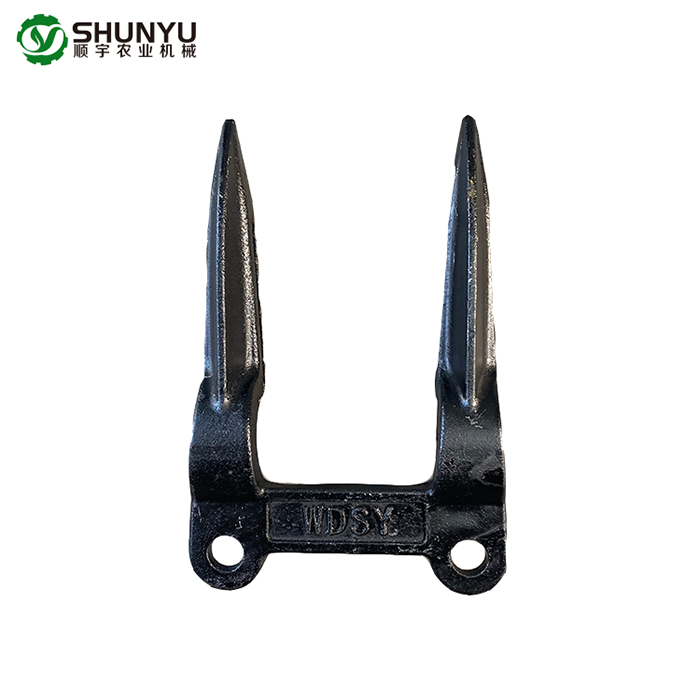
Finding the right replacement parts requires a strict evaluation process. Relying on visual similarity or the lowest price tag guarantees premature failure in the field. Operators must assess material composition, manufacturing tolerances, and supplier reliability to ensure components survive the harsh realities of the rice harvest.
The metallurgy of a component dictates its survival rate. Standard agricultural steel cannot withstand the silica abrasion of rice stalks. Cutting and threshing components require high-carbon steel alloys. Look for parts that undergo specific heat-treatment processes, such as induction hardening. This process creates a hardened outer wear surface while maintaining a ductile core that resists snapping under impact. Some premium components feature tungsten carbide coatings on high-wear areas, drastically extending their operational lifespan.
Power transmission components demand equal scrutiny. Standard polyester-cord belts stretch and snap under the heavy torque loads of a rice harvester. Belts must feature aramid-cord reinforcement to maintain dimensional stability under extreme tension. The rubber compound must offer high thermal resistance to survive the friction heat generated in dusty, chaff-filled environments without glazing or cracking.
The debate between Original Equipment Manufacturer (OEM) parts and aftermarket alternatives centers on risk versus reward. OEM parts guarantee exact dimensional compatibility and consistent quality, but they carry a premium price tag. Aftermarket parts offer significant cost savings, but the quality varies wildly across different manufacturers.
Component Type | Recommended Source | Reasoning |
|---|---|---|
Hydraulic Pumps & Motors | Strictly OEM | Requires exact factory calibrations and tight internal tolerances. |
Electronic Sensors & Modules | Strictly OEM | Prevents software compatibility issues and false diagnostic codes. |
Drive Belts & Chains | Premium Aftermarket | Top-tier aftermarket brands often exceed OEM tensile strength specs. |
Cutting Sections & Guards | Premium Aftermarket | High-carbon aftermarket options provide excellent wear resistance. |
Establish a clear decision framework. Insist on OEM parts for complex, highly engineered systems. Accept no substitutes for these items. However, premium aftermarket options are highly viable for standardized wear items. When sourcing rice combine harvester parts like belts, standard blade guards, sickle sections, and hardware, top-tier aftermarket suppliers often meet or exceed OEM specifications. The key is verifying the aftermarket supplier's metallurgical standards and dimensional tolerances before purchasing.
A high-quality part is useless if it arrives three days late. Supplier reliability is just as essential as component quality. Evaluate potential suppliers based on their operational infrastructure. Look for ISO manufacturing certifications, which indicate strict quality control processes. Review their warranty terms and return policies. A supplier unwilling to stand behind their product in a harsh environment is a red flag.
Assess the supplier's inventory depth and supply chain transparency. During the peak harvest season, you need rapid fulfillment. A supplier who drop-ships from overseas cannot support an active harvest. Partner with suppliers who maintain deep, localized inventories of wear parts. They must have the logistical capability to deliver parts to the field or local shop within 24 hours.
Purchasing high-quality parts is only the first step. Improper installation and poor maintenance practices will destroy even the best components. Adhering to strict replacement protocols ensures maximum lifespan and reliable machine performance.
Never replace a single component in a multi-part system. This rule is absolute for belts, drive chains, and sickle sections. If a machine uses a matched set of three V-belts to drive the rotor, and one snaps, you must replace all three. Older belts have stretched. If you install one new belt alongside two old ones, the new belt will carry the entire torque load. It will snap within hours. The same applies to drive chains and sprockets. A worn chain will quickly destroy a new sprocket, and a worn sprocket will rapidly stretch a new chain. Replace cutting sections in complete sets to maintain a balanced cutting bar and prevent localized tearing.
New mechanical components require a dedicated break-in period. Belts and chains will experience their most significant stretch during the first few hours of operation. Install the new components and set the initial tension according to the service manual. Run the machine empty at operating RPM for 15 minutes. Shut it down and recheck the tension. Put the machine into the crop and harvest for 10 to 50 hours. Stop and perform a mandatory re-tensioning and alignment check. Skipping this step allows the newly stretched belt or chain to slip, immediately compromising its lifespan.
Operators often debate whether to repair or replace worn heavy metal components like augers and concaves. Applying hard-facing weld to worn auger flighting can extend its life and save money. However, you must evaluate the operational viability. If the flighting has worn down to a razor-thin edge, welding will simply warp the thin metal. The structural integrity is gone. At this point, purchasing an entirely new component is more cost-effective than paying for hours of specialized welding labor that ultimately fails to restore the auger's original dimensions and balancing.
Future maintenance depends on how you install parts today. Rice paddies are wet, muddy, and corrosive. Use marine-grade anti-seize compound on all non-structural bolts and shaft splines. This prevents hardware from rusting solid, saving hours of torching and drilling during the next replacement cycle. Apply proper dielectric grease to all electrical connections to block moisture ingress and prevent sensor faults. Pack bearings and pivot points with high-temperature, waterproof grease to push out abrasive mud and protect the rolling elements.
Executing a maintenance strategy carries inherent risks. Identifying these risks early allows operators to implement mitigation strategies that protect the equipment and the harvest schedule.
The agricultural parts market is flooded with counterfeit and substandard components. These parts look visually identical to premium components. They use the same paint colors and mimic OEM part numbers. However, they are metallurgically inferior. They lack the necessary heat treatments and high-carbon alloys. In a rice field, these parts will fail rapidly, causing catastrophic damage to surrounding systems.
Mitigate this risk by establishing strict procurement guidelines. Never purchase wear parts from unverified third-party online marketplaces. Build relationships with authorized dealers or vetted premium aftermarket distributors. For bulk orders of items like chains or cutting sections, request material testing certificates from the supplier to verify the steel grade and hardness specifications.
Even the most expensive, high-quality part will fail prematurely if installed incorrectly. Incorrect tension, poor alignment, or improper torque specifications destroy components fast. Over-tensioning a belt destroys the pulley bearings. Under-tensioning causes slip and fire hazards. Over-torquing bolts stretches the threads, leading to shear failures under load.
Mandate strict adherence to manufacturer service manuals. Do not rely on guesswork. Utilize precision tools. Use laser alignment tools to ensure pulleys and sprockets run perfectly true. Use calibrated torque wrenches for all hardware. Implement secondary quality-control checks where a second technician verifies the tension and torque settings before the machine returns to the field.
Relying on reactive purchasing guarantees downtime. Transition to a predictive stocking model based on machine hours and historical wear rates. Track how many hours a specific belt or set of guards lasts in your specific field conditions. Order replacements before they reach their failure point.
Keep a localized crash kit on-site in the service truck. This kit must contain the highest-wear items prone to sudden failure. Include the following items:
A complete set of primary drive belts.
A full box of sickle sections and rivets.
A spare harvester blade guard set.
Assorted master chain links and half-links.
Primary fuel, air, and hydraulic filters.
Having these parts standing by in the field turns a potential two-day breakdown into a one-hour repair.
Managing harvester wear parts requires proactive risk management and operational efficiency. The harsh, abrasive reality of the rice paddy demands a higher standard of mechanical preparation. Waiting for parts to break in the field jeopardizes the entire harvest.
Selecting the right replacement parts requires strict shortlisting logic. Base your decisions on verifiable material quality, specifically abrasion resistance and tensile strength. Demand precise manufacturing tolerances that match OEM specifications. Partner only with suppliers who offer reliable logistics and deep inventory support during the harvest window.
Take the following steps immediately to prepare your equipment:
Conduct a comprehensive pre-season teardown and inspection of all cutting, threshing, and power transmission systems using calipers and feeler gauges.
Audit your current parts inventory to identify gaps in your mobile crash kit.
Establish firm relationships with vetted parts suppliers now to ensure you have the necessary components on hand before the first machine enters the mud.
A: Heavy torque loads and wet, muddy conditions reduce belt lifespan significantly compared to wheat or soybeans. A premium aramid-cord belt typically lasts between 300 and 500 operational hours in rice. Standard belts often fail under 150 hours. Dust and chaff pack into pulleys, increasing friction and heat. This accelerates rubber degradation and cord failure. Inspect them daily.
A: Replace the guard when the ledger plates become rounded or lose their sharp cutting edge. Check the gap clearance between the sickle section and the guard using a feeler gauge. If the clearance exceeds factory specs and cannot be adjusted with hold-down clips, the crop will fold and tear instead of cutting cleanly. This causes severe header loss.
A: Premium aftermarket parts offer excellent reliability if they meet exact OEM dimensional matches and verified metallurgical specifications. However, the aftermarket tier varies wildly. Avoid bottom-tier, unverified parts. For standardized wear items like belts, chains, and cutting sections, vetted premium aftermarket suppliers provide excellent durability and significant savings over OEM components.
A: Rice plants contain a very high silica content. Silica acts as a natural abrasive, essentially grinding against the steel components as the crop flows through the machine. This high-friction environment rapidly wears down the leading edges of rasp bars, peg teeth, and concave wires. You must replace these parts more frequently than machines harvesting less abrasive crops.
A: Keep a field crash kit containing the top high-risk components. You need a complete matched set of main drive belts, a box of replacement sickle sections, a spare harvester blade guard set, assorted master chain links, and primary fuel and hydraulic filters. Having these parts on the service truck prevents multi-day downtime.
A: Implement strict daily cleaning protocols. Wash abrasive mud away from roller seals and sprockets before it dries like concrete. Inspect roller seals daily for oil weeping. Maintain proper track tension according to the manual. A loose track derails easily in deep mud, while an over-tensioned track destroys idler bearings rapidly.
A: Hard-facing weld extends auger life if applied early. However, once the flighting wears down to a razor-thin edge or begins to bend, rebuilding is no longer viable. The structural integrity is lost. At this threshold, a full replacement is necessary to maintain proper balancing, prevent grain cracking, and ensure efficient crop transfer.


