 English
Views: 0 Author: Site Editor Publish Time: 2026-10-07 Origin: Site
Harvesting in flooded paddy fields pushes agricultural machinery to its absolute mechanical limits. You are dealing with standing water, abrasive silica mud, heavy wet crop loads, and hidden submerged debris. When drive components fail in this environment, the consequences hit hard. A snapped chain or a slipping belt stops the entire operation during a narrow harvest window, directly causing severe yield loss and revenue drops. Reliable components keep the crop flowing continuously from the header to the grain tank. They also eliminate the safety risks and manual labor involved in digging out a jammed machine in knee-deep mud. Sourcing replacement parts requires a strict technical evaluation. You must look past basic dimensions to verify material hardness, tensile strength, impact resistance, and specific environmental suitability for wet conditions.
Corrosion and Abrasion Resistance: Wet paddy conditions require chains with specific anti-corrosive coatings and hardened pins to withstand silica-induced wear.
Tensile Strength vs. Flexibility: Optimal harvester conveyor chains must balance high tensile strength to prevent elongation with enough flexibility to handle sudden torque spikes from mud blockages.
Impact Resistance and Cleat Specifications: Combine harvester belts must feature multi-ply construction highly resistant to cuts and impacts, alongside specific cleat geometries to shed mud while maintaining grip on wet crops.
Component Compatibility: Verifying exact dimensional tolerances is critical, especially when evaluating aftermarket alternatives for specific OEM systems like FM WORLD harvester parts, ensuring seamless integration with grain handling systems.
Operating in flooded conditions demands uncompromising performance from drive and conveying components. You need parts that maximize yield and efficiency while resisting constant environmental degradation. Success means zero unplanned downtime during the harvest window. Components must handle continuous moisture without losing structural integrity. They must transfer power efficiently despite heavy mud accumulation on pulleys and sprockets. Establishing a baseline for performance requires understanding the specific mechanical forces at play in a wet paddy field. Standard dry-field equipment simply cannot survive these parameters.
Paddy mud is not just wet dirt. It is a dense suspension of abrasive silica particles, organic matter, and water. When this mixture enters the pin-and-bush clearances of a chain, it acts as a lapping compound. Every articulation of the chain grinds away metal. This accelerates wear rates exponentially compared to dry-field harvesting. Continuous water exposure degrades standard rubber compounds rapidly. It causes them to swell, soften, or crack under load. Water also acts as a solvent, washing away standard lubricants within minutes of field entry. Untreated steel components suffer rapid oxidation. Rust weakens the structural integrity of the metal and causes linkages to bind.
Hidden field debris poses another major threat. Submerged rocks, thick root balls, and discarded metal wire hide under the muddy water. When the header pulls these objects in, the drive system absorbs massive shock loads. Stones and thick stubble cause sudden cuts to belts. They inflict severe impact damage on moving parts, often leading to immediate catastrophic failure if the components lack sufficient impact resistance.
Pulling heavy, wet rice stalks into the header creates immense mechanical strain. The wet crop weight requires high torque transfer from the engine to the harvesting mechanisms. Harvesting equipment frequently encounters deep mud and uneven terrain. This causes sudden shock loads on the drive system when the header ingests a heavy mud clump or stalls temporarily. Maintaining consistent component operation is vital. It ensures uninterrupted crop flow from the header to the grain elevator and transport vehicles.
Any hesitation or slippage causes immediate crop blockages. The wet rice stalks back up into the auger, creating a dense, heavy plug. Clearing these blockages requires dangerous, time-consuming manual labor in the field. Operators must shut down the machine, climb into the header, and physically pull the jammed crop out by hand. Reliable drive components prevent these blockages by maintaining consistent speed and power transfer, regardless of the mud volume passing through the system.
Environmental Stressor | Impact on Chains | Impact on Belts | Required Component Feature |
|---|---|---|---|
Silica-Rich Mud | Rapid pin and bushing abrasion | Packs into cleats, causes slippage | Hardened pins, self-cleaning cleats |
Standing Water | Washes away lube, causes rust | Reduces pulley friction | Anti-corrosive coatings, textured bottom covers |
Submerged Debris | Shock loads, bent attachments | Deep cuts, carcass punctures | High tensile strength, multi-ply construction |
Heavy Wet Crop | High torque strain, elongation | Bowing, edge fraying | Optimized bearing areas, high transverse rigidity |
High-moisture agriculture requires specialized engineering. Standard chains fail quickly in these environments due to rust and rapid abrasion. You need solutions designed specifically for wet conditions. This involves evaluating the metallurgy, surface treatments, and structural design of the chain linkages. You cannot rely on visual inspections alone; you must review the engineering specifications provided by the manufacturer.
Paddy applications require a high minimum ultimate tensile strength (UTS). This prevents the chain from snapping under heavy, wet crop loads. However, a high static UTS is not enough. The chain must possess enough ductility to absorb dynamic shock loads without shattering the pins. Pitch elongation occurs when internal components wear down due to silica abrasion. The side plates do not stretch; rather, the internal wear of pins and bushings creates slop. The chain effectively lengthens out of its original dimensions.
This alters timing and leads to rapid sprocket wear. Once a chain elongates past two or three percent, it no longer matches the sprocket pitch. The rollers ride up on the sprocket teeth, leading to jumped teeth and destroyed sprockets. You must evaluate chains designed to minimize this elongation. Look for hardened pins, optimized bearing areas, and precision-stamped side plates. A chain that resists elongation maintains proper tension longer and requires fewer field adjustments.
Standard carbon steel rusts rapidly in wet fields. You must choose treated alternatives to maintain operational efficiency. Zinc-plated and nickel-plated options offer moderate protection against water ingress. However, the abrasive mud often wears these thin platings away quickly. Specialized Dacromet-coated chains provide superior rust resistance and chemical durability. Dacromet is a zinc and aluminum flake dispersion coating. It offers excellent galvanic protection without the hydrogen embrittlement risks associated with standard electroplating.
Stainless steel offers excellent corrosion resistance but generally has lower tensile strength. It often fails under the heavy torque loads of a rice harvest. Treated alloy steel provides high strength but relies entirely on the integrity of its surface coating. Selecting the right Conveyor Chains ensures reliable crop transport from the cutting bar to the threshing drum. You must balance the need for high tensile strength with the absolute necessity of corrosion resistance.
Specialized attachments ensure efficient crop feeding without clogging. C-type and K-type attachments are engineered to grab and pull wet stalks aggressively. Precision attachments streamline the transition of grain through the internal elevators. They move material smoothly, reducing bottlenecks and keeping the harvest moving. Poorly designed attachments will bend under load or fail to grip slimy, wet crops effectively. When an attachment bends, it strikes the internal guides of the harvester, causing severe damage to the elevator housing.
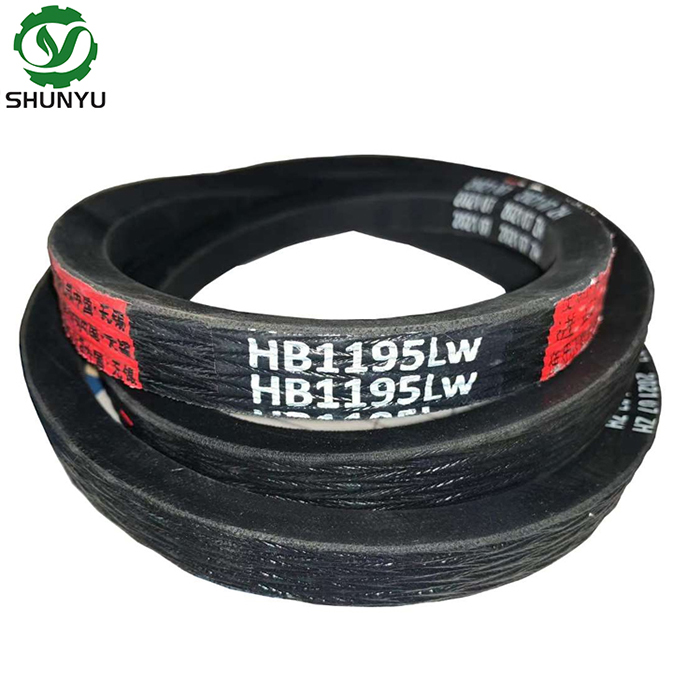
You need belts that will not slip, tear, or degrade. Wet conditions expose belts to constant moisture, agricultural oils, and abrasive mud. Evaluating belts requires looking at internal construction, external textures, and specific geometry designed for mud management. A standard agricultural belt will fold, slip, and snap within days of entering a flooded paddy.
Compact 2-ply or 3-ply PVC and rubber constructions are essential. They are engineered to resist cuts from sharp crop stubble and broken stalks. The carcass handles the tension, while the thick top cover absorbs the impacts from stones pulled into the machine. Transverse rigidity is a non-negotiable requirement. It prevents the belt from bowing or folding under heavy, wet loads.
If a belt bows in the middle, the edges lift off the idler rollers. Mud packs under the edges, forcing the belt off-track. A bowing belt loses traction, spills grain, and wears unevenly against the machine frame. High transverse rigidity ensures the belt remains flat and fully supported by the idlers, regardless of the crop weight pressing down on the center.
Cleat design dictates performance in mud. Curved transverse cleats offer distinct advantages over straight cleats. Specific cleat geometries facilitate self-cleaning. They act like scoops, holding the wet, heavy rice stalks on the incline. As the belt rounds the top pulley, the curved shape flexes, breaking the suction of the mud and ejecting it outward.
Straight cleats often pack with mud, creating a smooth surface that fails to elevate the crop. The mud fills the gaps between the cleats entirely. Curved designs cup the grain while forcing mud outward during the return trip. This self-cleaning action is vital for maintaining the lifting capacity of the elevator system.
Bottom-cover textures must maintain traction on drive pulleys. Water and agricultural oils coat these surfaces heavily during operation. High friction coefficients prevent pulley slippage. This ensures the harvester maintains optimal processing speed without stalling the header. Upgrading to premium combine harvester belts minimizes power loss. Textured bottom covers, such as diamond or rough-top patterns, channel water away from the pulley contact zone. They function exactly like a tire tread on a wet road, maintaining mechanical grip even when completely submerged in muddy water.
Belt Failure Symptom | Root Cause in Wet Fields | Corrective Action |
|---|---|---|
Edge Fraying | Mud buildup forcing belt off-track | Clean rollers daily, adjust tracking bolts |
Persistent Slippage | Worn bottom cover texture, water ingress | Replace belt, verify tensioning specs |
Cleat Delamination | Heavy impact from submerged stones | Inspect field for debris, upgrade to 3-ply |
Center Bowing | Insufficient transverse rigidity for wet crop | Install belt engineered for paddy harvesting |
Procuring replacement parts influences overall operational value and daily efficiency. You need better control over daily harvesting processes to ensure profitability. The choice between OEM and aftermarket components dictates how often you will perform field maintenance. You must evaluate aftermarket suppliers based on their engineering tolerances and material certifications, not just their initial unit cost.
Micro-deviations in pitch or belt width carry significant risks. Non-OEM parts might look identical but fit poorly. A chain pitch off by a fraction of a millimeter compounds over its length. A pitch deviation of 0.5mm over a 100-link chain results in a 50mm difference in total length. The tensioner cannot compensate for pitch mismatch at the sprocket level. This causes severe sprocket binding and rapid tooth wear.
You must verify aftermarket specifications against strict OEM standards. This is especially true for FM WORLD harvester parts and similar leading brands. Exact dimensional matching guarantees that the conveying system operates smoothly without jamming or jumping teeth. Demand engineering drawings or exact caliper measurements from your supplier before authorizing a bulk purchase.
Analyze the cost-to-lifespan ratio of premium components. Treated components cost more upfront but last significantly longer in the mud. Standard budget replacements often fail mid-harvest, requiring immediate replacement. Factor in the hidden costs of downtime. Lost yield from weather delays, wasted manual labor, and disrupted transport logistics destroy profitability.
Protecting your yield justifies the investment in durable, environment-specific parts. A component that survives the entire season without adjustment provides immense operational value. If a cheap belt snaps at two in the afternoon with rain forecasted for the next day, the lost crop value far exceeds whatever money you saved on the parts order.
Proper installation prevents premature failure. Ongoing management streamlines daily operations and extends component life. Even the highest quality parts will fail if installed incorrectly or neglected during the season. You must establish strict protocols for your operators and mechanics to follow every single day.
Wet environments require specific tensioning calibration. Over-tensioning accelerates wear on pins, bushings, and sprockets. It places unnecessary strain on bearings and shafts, leading to catastrophic gearbox failures. Under-tensioning causes the chain to skip teeth or derail entirely. You must measure sag accurately according to manufacturer specifications.
Adjust tension gradually and recheck after the first hour of operation under load. A properly tensioned harvester conveyor chain runs smoothly without whipping or slapping against the guides. Always rotate the drive system manually after adjusting the tension to ensure there are no binding spots before engaging the engine power.
Proper belt tracking is difficult in muddy conditions. Mud buildup on rollers forces belts out of alignment quickly. This causes severe edge fraying or catastrophic cuts against the machine frame. Clean rollers daily to prevent buildup. Adjust tracking mechanisms carefully to keep the belt centered.
Monitor the edges of the belt for early signs of wear, which indicates a tracking issue. Ensure that all tensioning bolts are locked securely to prevent vibration from altering the alignment. If a belt continues to track to one side despite adjustments, check the idler bearings. A seized bearing will drag the belt off-center immediately.
Establish a strict daily and weekly checklist for operators to reduce unexpected manual labor.
Check pin wear and measure chain elongation across a set number of links using a specialized chain wear gauge.
Monitor belt splice integrity for signs of separation, tearing, or pulled fasteners.
Lubricate chains with specialized water-displacing agents rather than standard grease, which traps abrasive dirt.
Inspect cleats for tears, delamination, or severe impact damage from submerged rocks.
Clear mud from all drive pulleys, idlers, and guide rails at the end of each shift using a high-pressure washer or scraper.
Verify that all safety shields are intact and free from accumulated debris to prevent fire hazards.
Check all sprocket teeth for hooking or uneven wear patterns, replacing them immediately if the profile is compromised.
Take the following steps to optimize your harvesting equipment:
Audit your current fleet to identify severely worn belts and elongated chains before the harvest season begins.
Measure the pitch elongation of all drive chains and replace any that exceed a three percent wear limit.
Consult the technical specification sheets for your specific harvester model to confirm exact dimensional requirements.
Request material certifications and coating specifications from your parts suppliers to ensure wet-field suitability.
Implement a daily mud-clearing and lubrication schedule using specialized water-displacing agents.
A: Lifespan depends entirely on material hardness and daily maintenance. Standard carbon steel chains often fail within 150 to 200 hours due to severe silica abrasion and rust. Premium Dacromet-coated chains with hardened pins can operate reliably for 400 to 600 hours. You must flush the chain with water-displacing lubricants daily and remove packed mud from the sprockets to reach the higher end of this operational window.
A: Rice harvesting belts utilize aggressive, mud-shedding curved cleats to prevent material packing. They feature highly water-resistant rubber compounds and compact 3-ply internal constructions for extreme cut resistance against submerged debris. Manufacturers engineer high transverse rigidity into these belts to support the heavy, concentrated weight of wet rice stalks without bowing, a feature unnecessary for lighter, dry wheat crops.
A: No. Standard agricultural roller chains fail rapidly in flooded paddies. The silica-rich mud acts as a grinding paste, destroying untreated pins and bushings within days. Continuous water exposure causes immediate oxidation, leading to stiff joints, binding, and eventual snapping under load. You must install sealed, plated, or specially coated alternatives to maintain harvest efficiency and prevent catastrophic field breakdowns.
A: Visual indicators dictate replacement schedules. Look for severe edge fraying, deep transverse cuts from stone impacts, and cleat delamination. If you can see exposed internal fabric plies, the belt's structural integrity is gone. Persistent slippage on the drive pulleys, even after you apply proper tension, indicates the bottom cover friction texture has worn completely smooth and requires immediate replacement.
A: You must lubricate the chain daily at the end of every shift. Use specialized wet-environment, water-displacing oils. Never use heavy, sticky greases, as they trap abrasive silica mud and accelerate internal wear. Applying the lubricant while the chain is still warm from operation helps the oil penetrate the tight clearances between the pins and bushings effectively.
A: Aftermarket parts perform exceptionally well if you verify their engineering specifications. The supplier must use impact-resistant materials and apply proper anti-corrosion treatments. The most critical factor is exact dimensional tolerance. High-quality aftermarket components that perfectly match OEM pitch and width specifications will integrate seamlessly and provide reliable service throughout the harvest season.


